For Homes
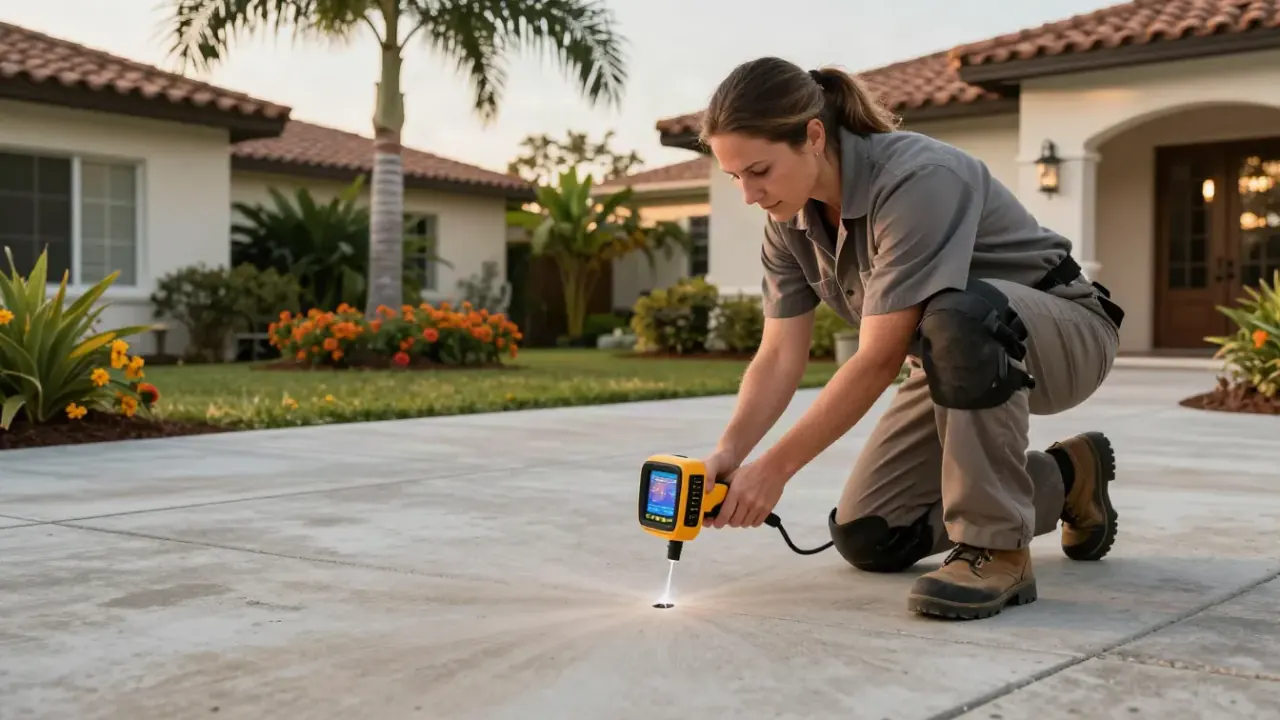
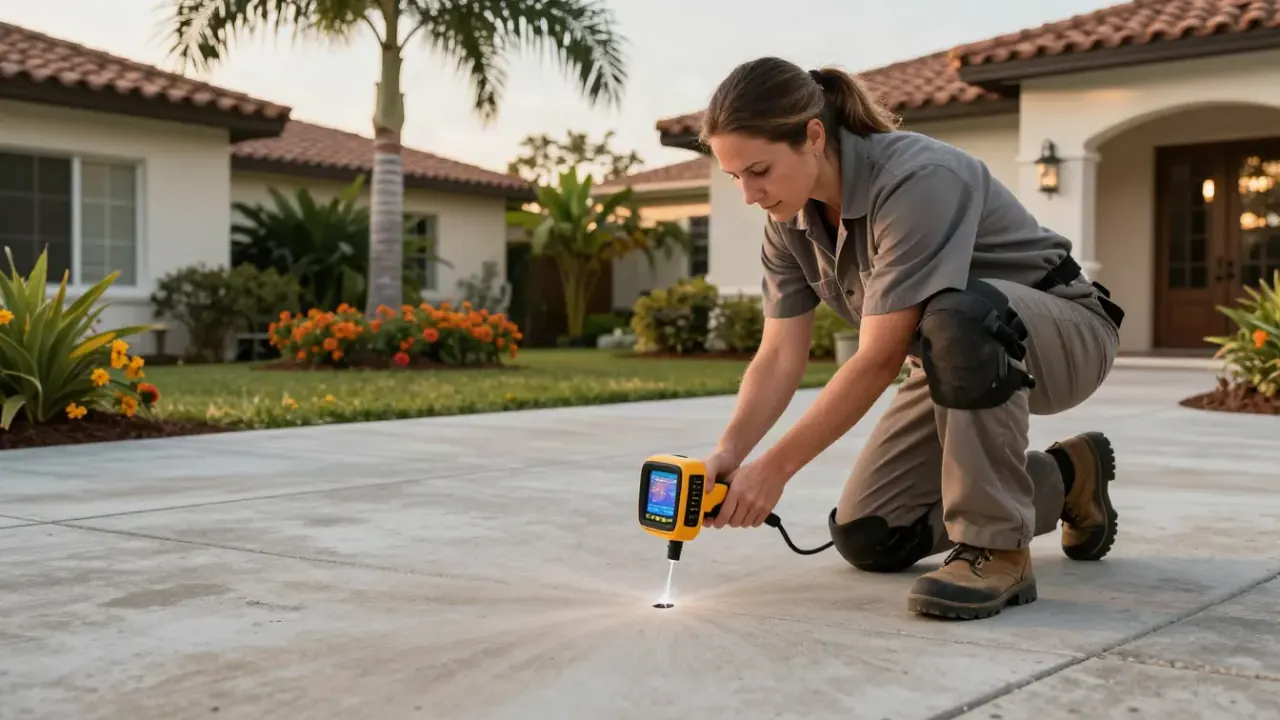
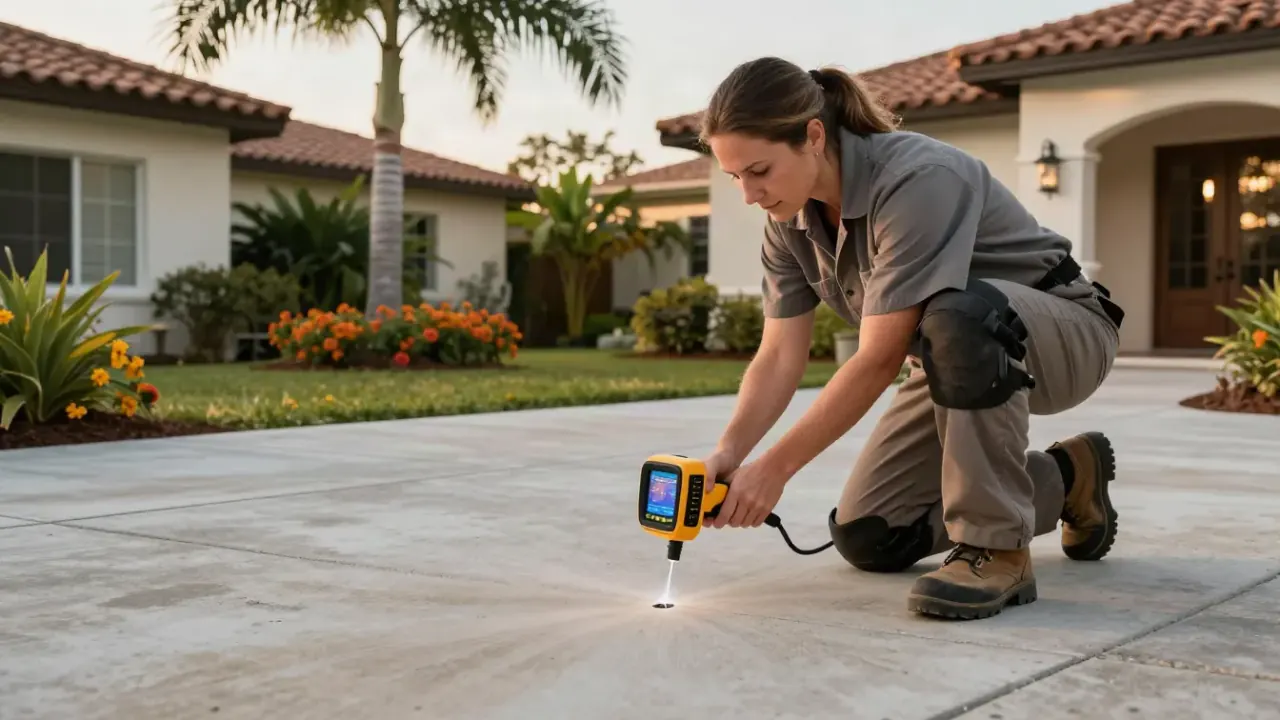
Your sprinkler system runs while you sleep, so a small break can waste water for weeks. We trace the line and mark the spot before any digging starts.
- Zone runs dry
- Soggy patch in lawn
- Water bill jumped
If your system loses pressure, runs dry, or leaves a soggy patch near a head, we trace the line with acoustic listening devices and pressure testing equipment. We serve homeowners and property managers across Palm Beach County, including the 33414 and 33449 ZIP codes. One visit, one clear answer.
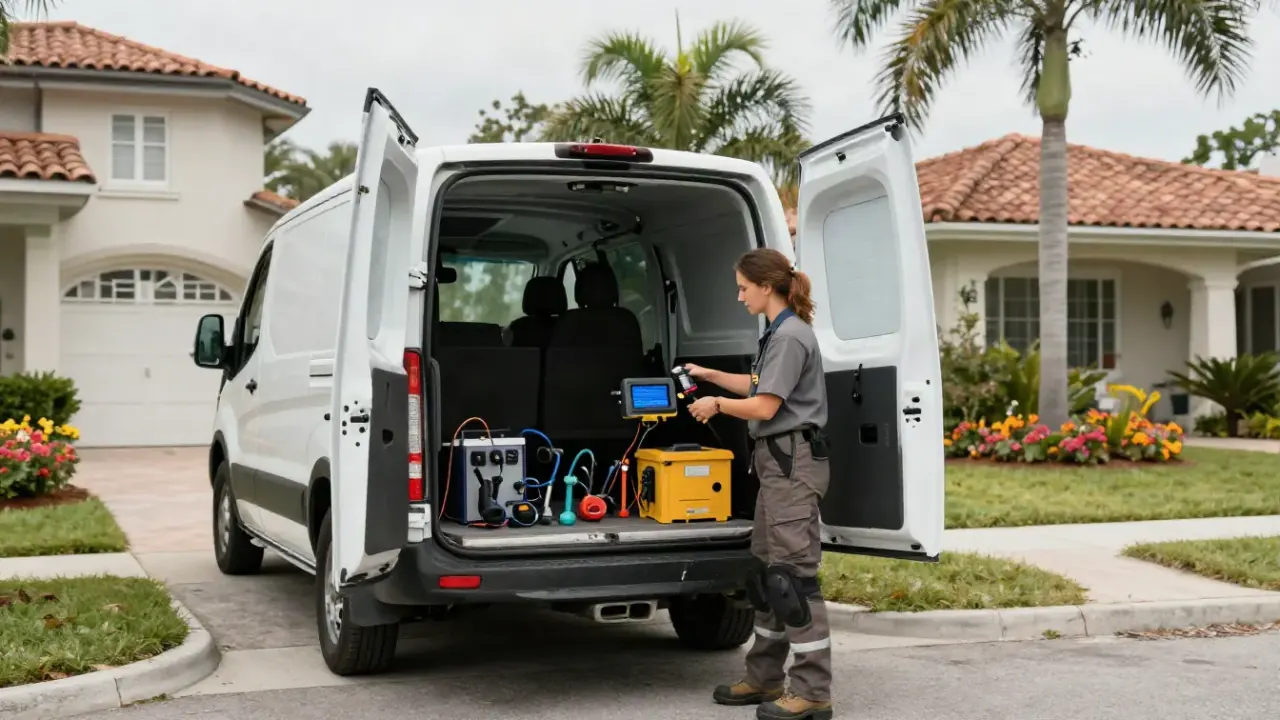 Pressure-test each zoneListen for the leakMark before digging
Every Irrigation and Sprinkler Line Leak Tracing Wellington FL visit covers the full trace, the mark, and a written summary. Repair is quoted separately so you can decide after you see the location. Here is what you get on the standard visit.
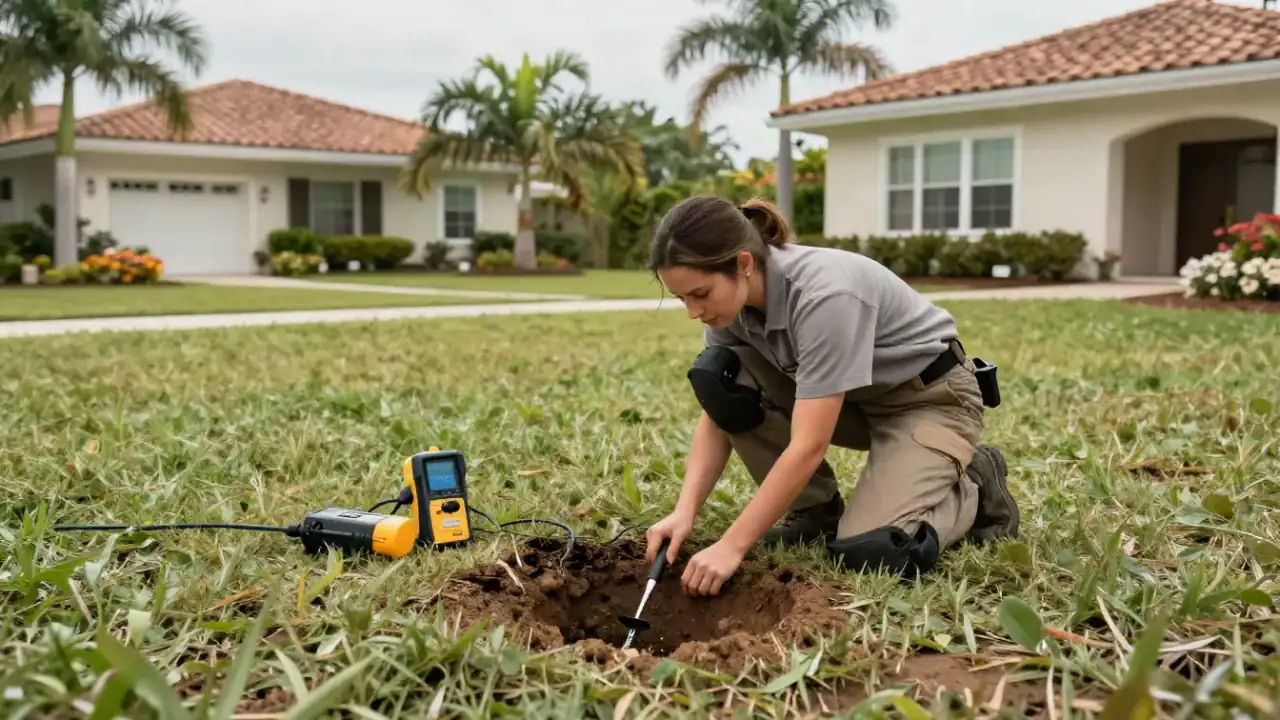
We run each zone at its normal operating pressure and watch the gauge. A zone that loses pressure is flagged. We record the static pressure, the flow loss, and the pipe material so you have a baseline for the whole system.
We sweep the suspect line with acoustic listening devices and, if needed, tracer gas. The goal is a confirmed location within 12 inches. We do not stop at a general area. You get a paint mark and a flag at the break.
You receive a photo of the marked leak and a short written summary of what we found, including the zone number and the pipe type. That record is useful if you file an insurance claim or hand the repair to another contractor.
If you want us to fix it, we give you a price before we start. The quote covers the parts and labor for that specific break. If you want to handle it yourself, you know exactly where to dig and what parts to buy.
After any repair, we re-pressurize the zone and confirm it holds. We also check the controller settings and the backflow preventer. You see the gauge hold steady before we pack up. That is how we confirm the leak is gone.
The approach is the same for a home and a business. What changes is the access, the schedule and who needs the paperwork.
Your sprinkler system runs while you sleep, so a small break can waste water for weeks. We trace the line and mark the spot before any digging starts.
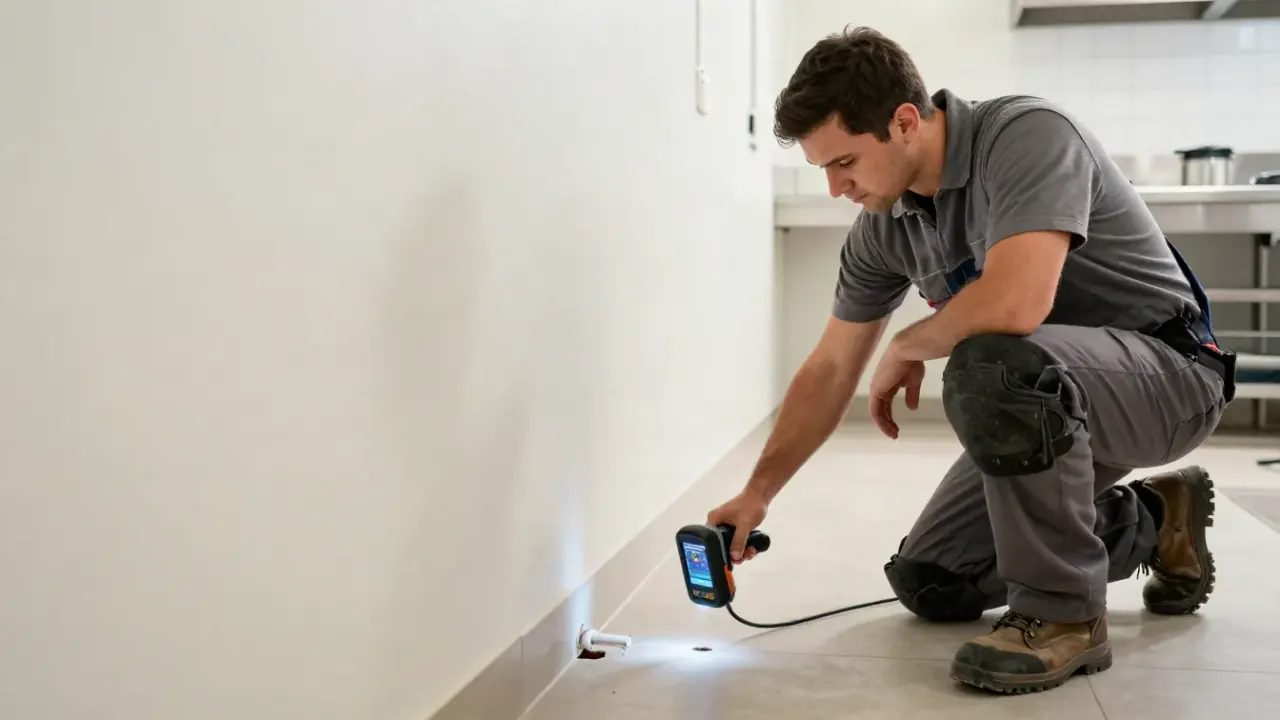
Large irrigation systems fail at fittings and valves, and one break can flood a common area. We isolate zones fast and document every leak for your records.
A plain-language look at what Irrigation and Sprinkler Line Leak Tracing involves and when it is needed.
See how it worksIrrigation and Sprinkler Line Leak Tracing Wellington FL is the process of finding the exact failure point in an underground sprinkler system without trenching the entire lawn. We start by isolating the zone, then pressurize the line and listen for the leak with acoustic listening devices. If the sound is faint, we inject a tracer gas and sweep the ground with a detector. Most breaks sit at a fitting, a cracked PVC pipe, or a root-damaged lateral. We mark the spot with paint, show you the reading, and only then does the shovel come out.
Wellington's sandy soil and heavy summer rains push irrigation systems hard. A pinhole leak in a copper pipe or a hairline crack in PVC pipe can waste 200 gallons a day before you notice a dry zone. Homeowners in Olympia and Binks Forest often call us after a spike in their water bill from hidden leaks. We also handle irrigation line leak tracing Wellington FL for HOAs and equestrian properties where a broken lateral floods a paddock. If you need sprinkler leak tracing near me, we cover all of Wellington and the surrounding 33470 area.
A sprinkler leak is found by pressure, sound, and gas, not by digging up the whole yard.
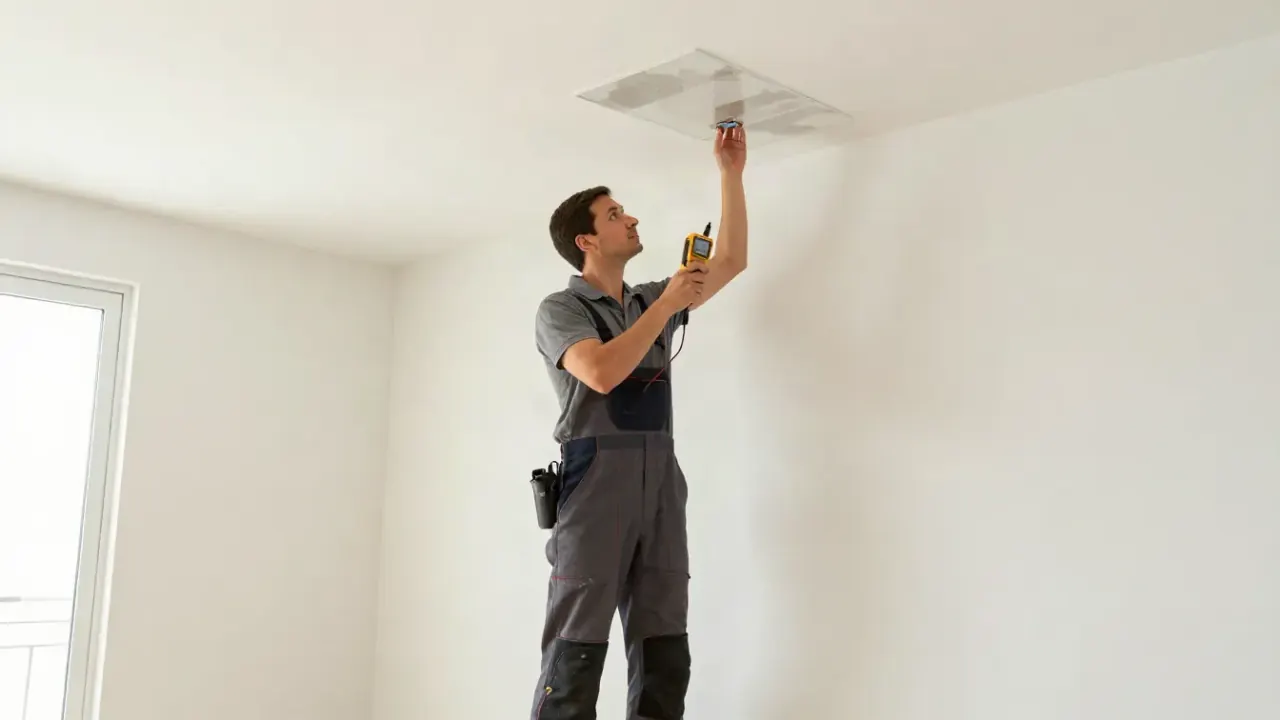
We keep it simple: find it, mark it, explain it, fix it. Most irrigation leak tracing jobs in Wellington take two to four hours from arrival to a marked leak.
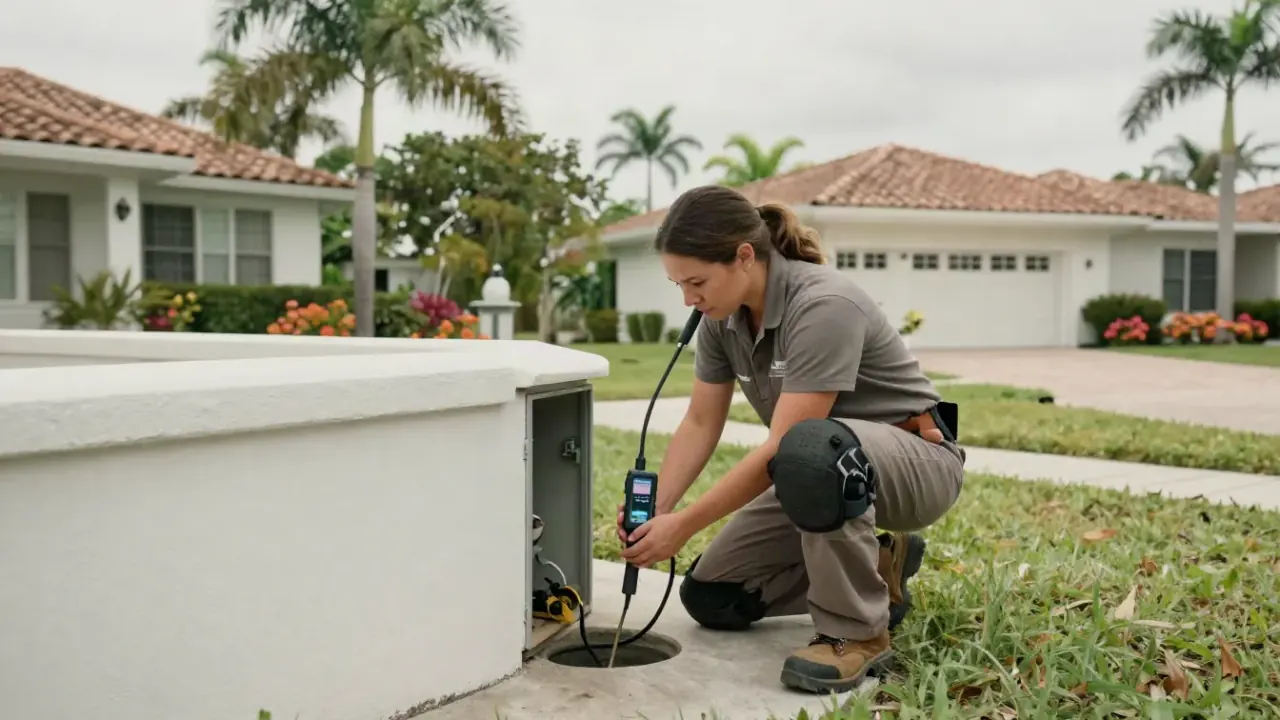
We start at the controller and run each zone manually. A zone that loses pressure fast or will not hold static pressure is the suspect. We note the controller model, the valve location, and the pipe material. If the system is on a pump, we check the pressure gauge first. This step takes 15 to 20 minutes and tells us which line to trace.
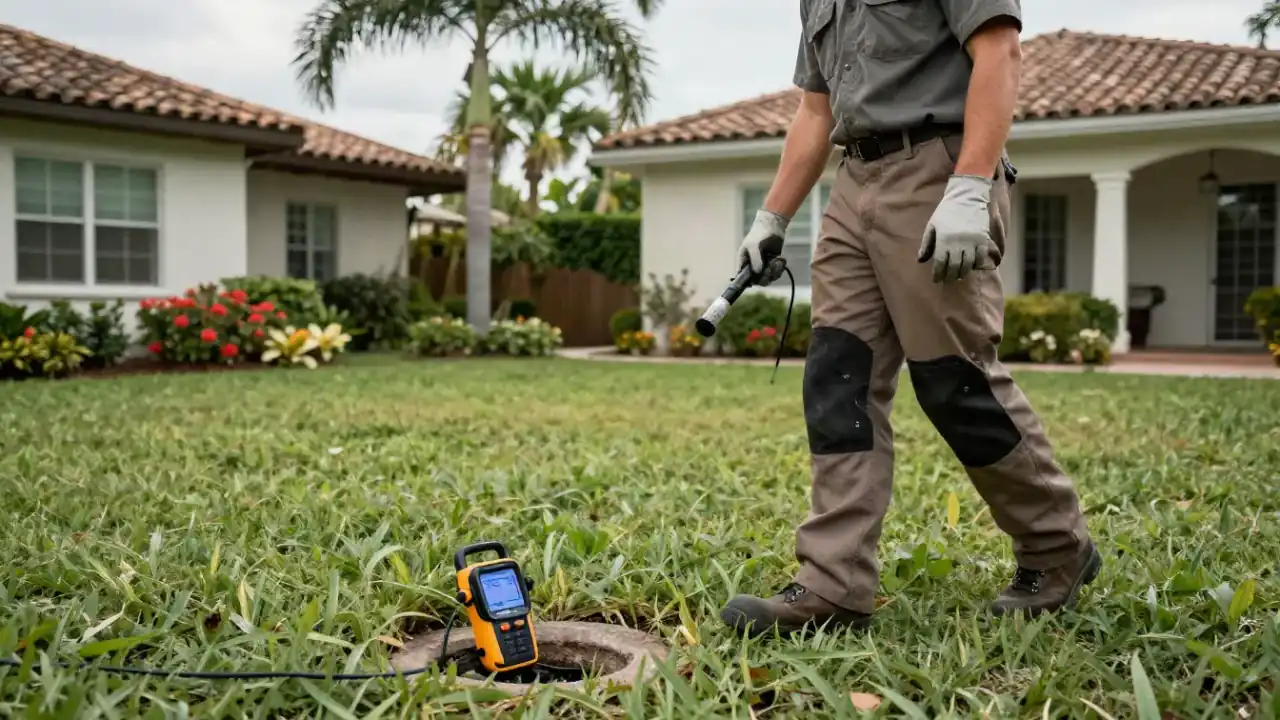
We cap the zone and pressurize it to its normal operating range, usually 40 to 60 PSI. A drop on the gauge confirms a leak. We use pressure testing equipment and a flow meter to measure how fast the zone loses water. That number tells us if we are chasing a pinhole leak in copper pipe or a full break in PVC pipe. No guessing.
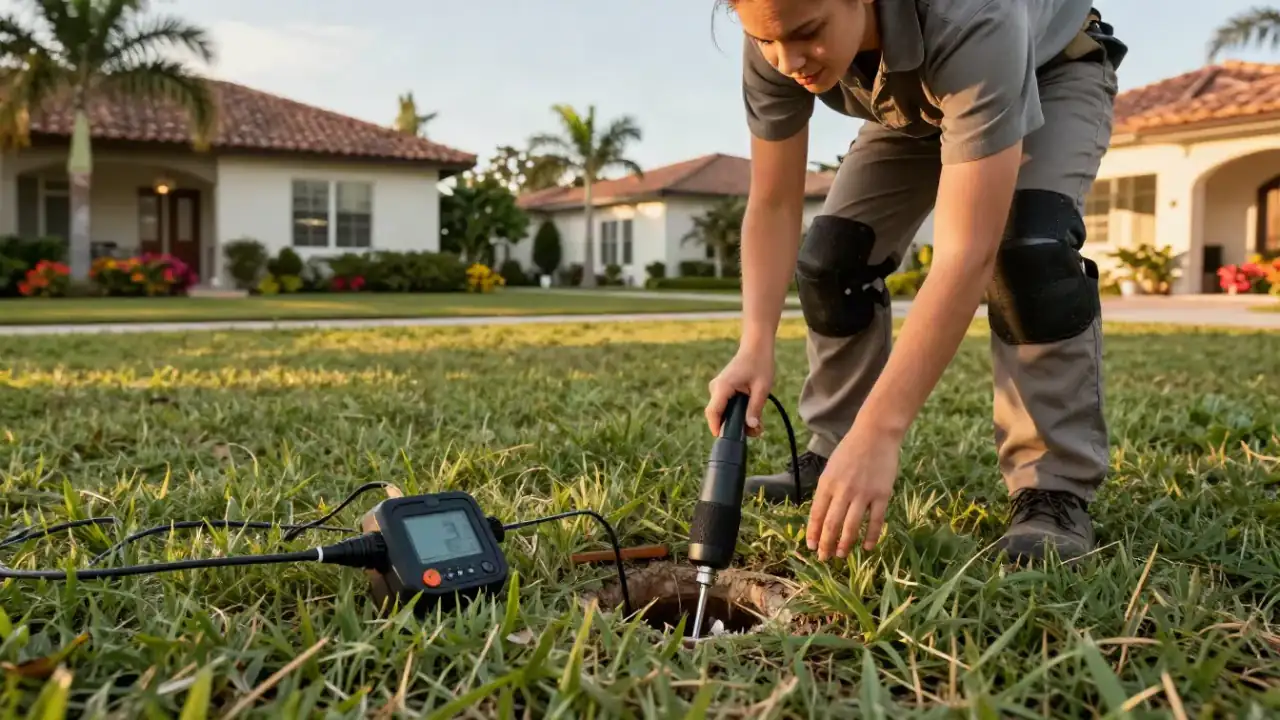
We walk the line with acoustic listening devices and an ultrasonic leak detector. A pressurized leak makes a hiss or a thump that travels through the soil. We sweep in 2-foot passes and mark the loudest point. On windy days we use a ground microphone to cut out traffic noise. This is the step that finds most sprinkler line leaks in Wellington.
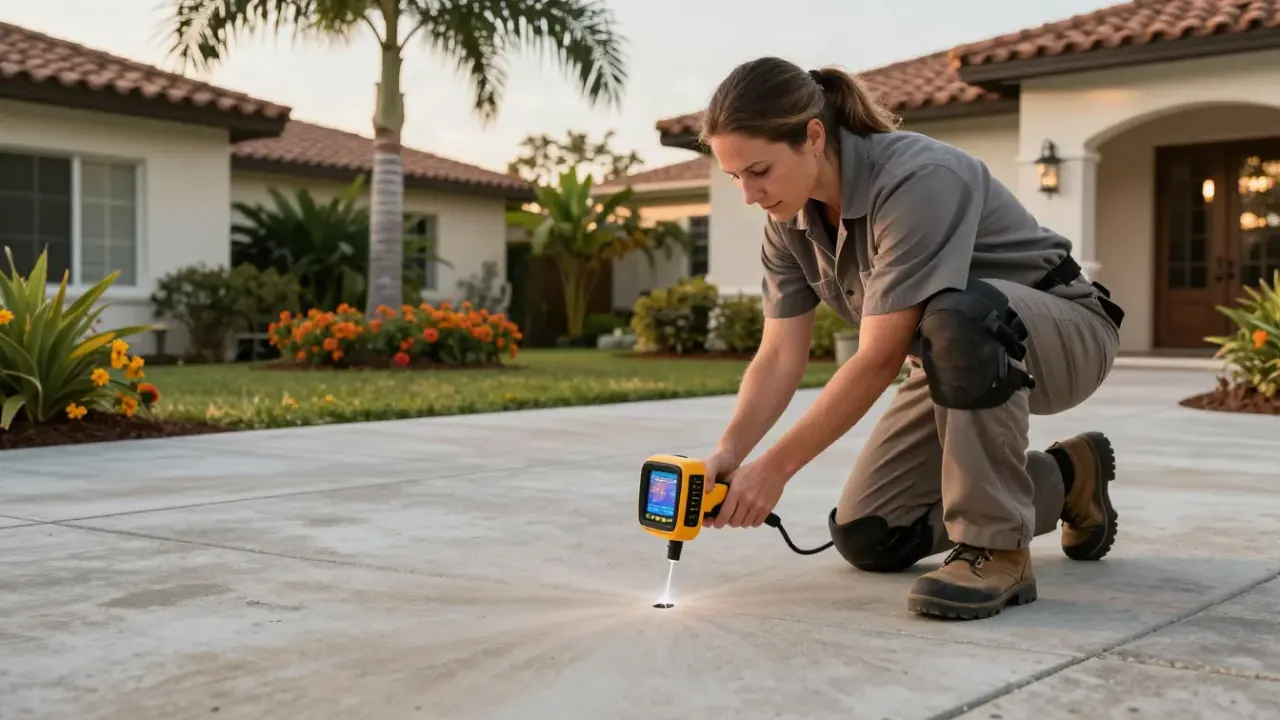
If the line is deep or the soil is saturated, sound alone can mislead. We inject a safe tracer gas into the zone and sweep with a detector. The gas escapes at the break and gives us a precise hit. We also use thermal imaging cameras on slab-covered lines. This step adds 20 minutes and removes all doubt before we dig.
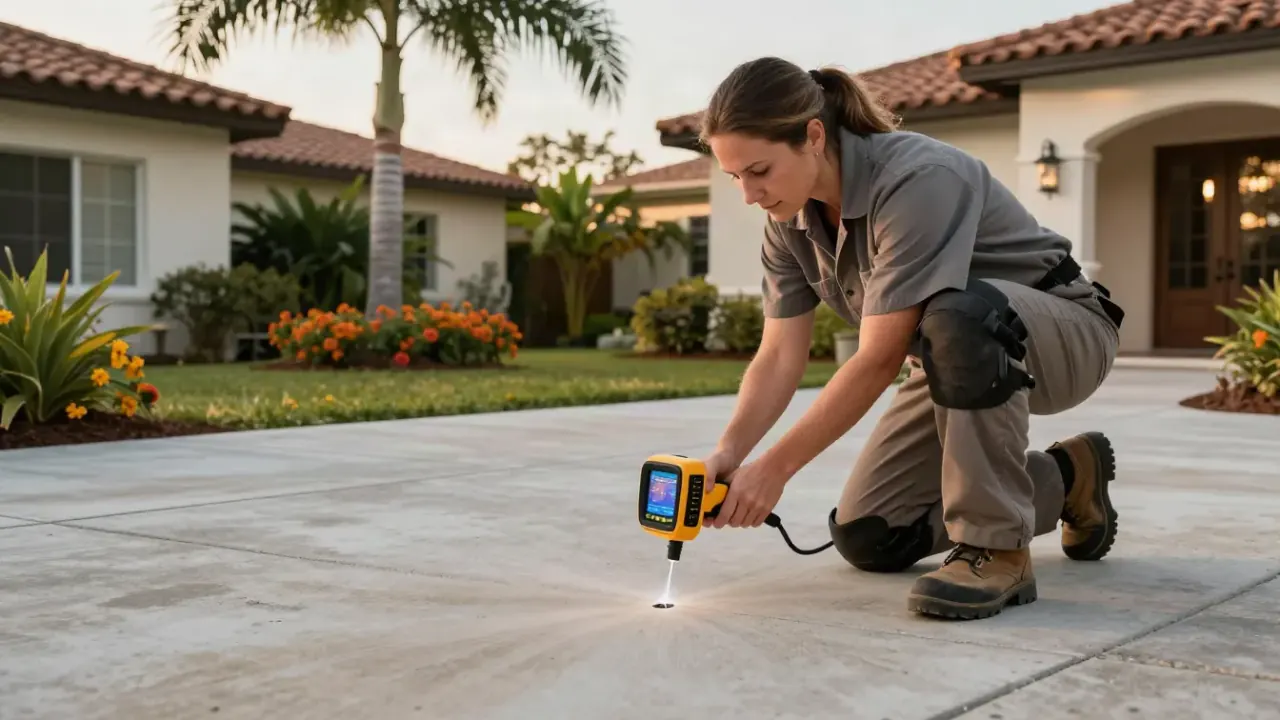
We mark the leak with paint and a flag, then show you the reading on the detector. You get a photo of the marked spot and a written summary of what we found. If you want us to repair it, we give you a price before we start. If you want to handle the repair yourself, you know exactly where to dig. No pressure either way.
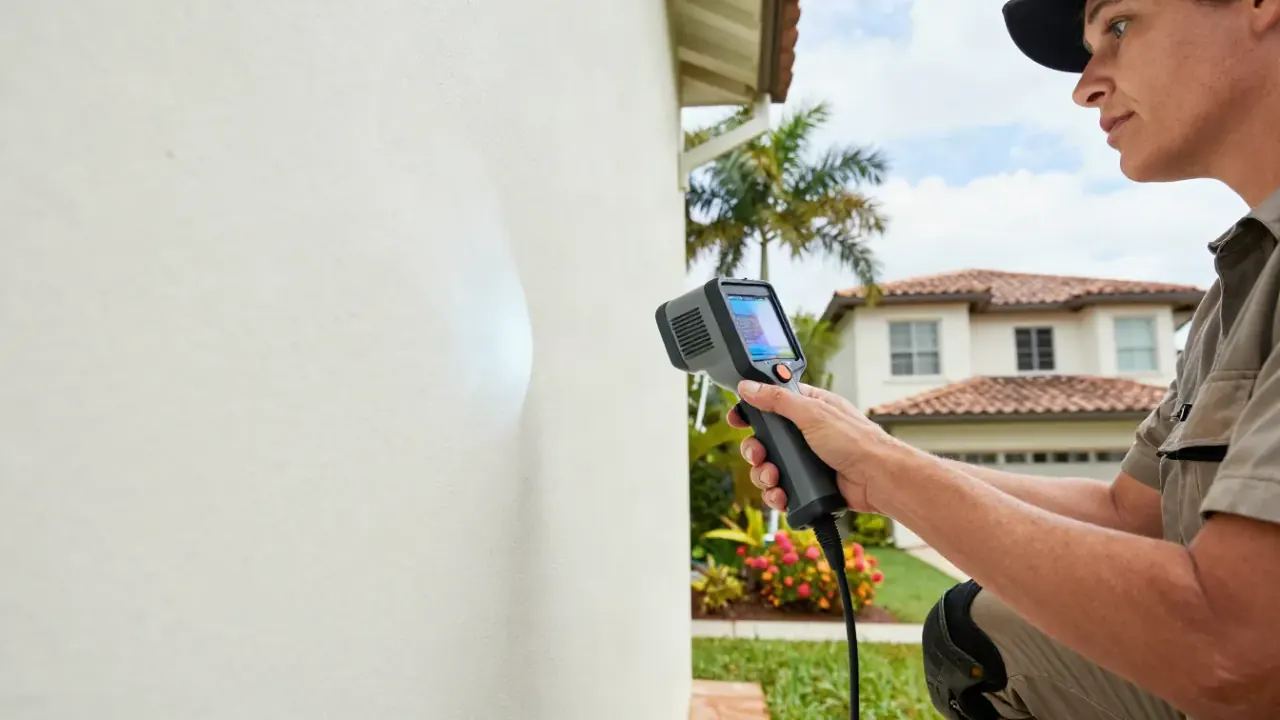
Move across a circle, or focus it and press Enter, for an illustrative thermal view of the photograph.
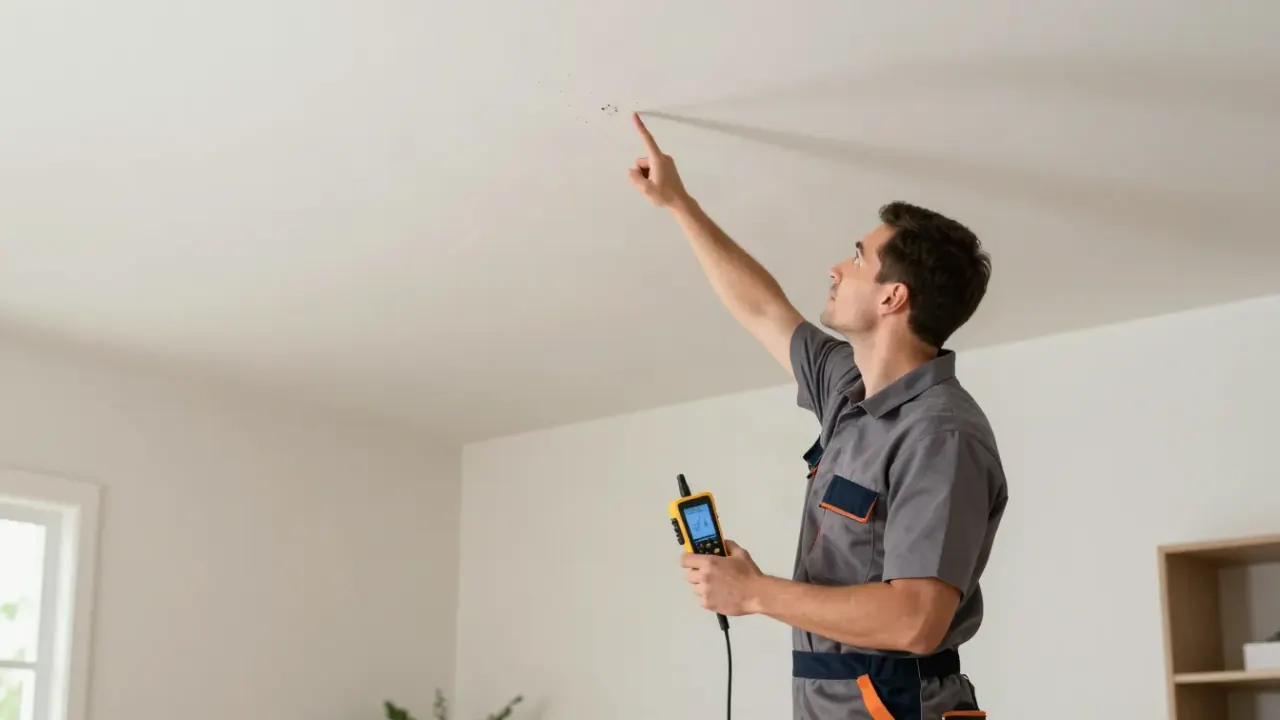
We use ground microphones and ultrasonic leak detectors to hear the hiss of pressurized water escaping a buried line. This is the first tool we reach for on most sprinkler leaks.
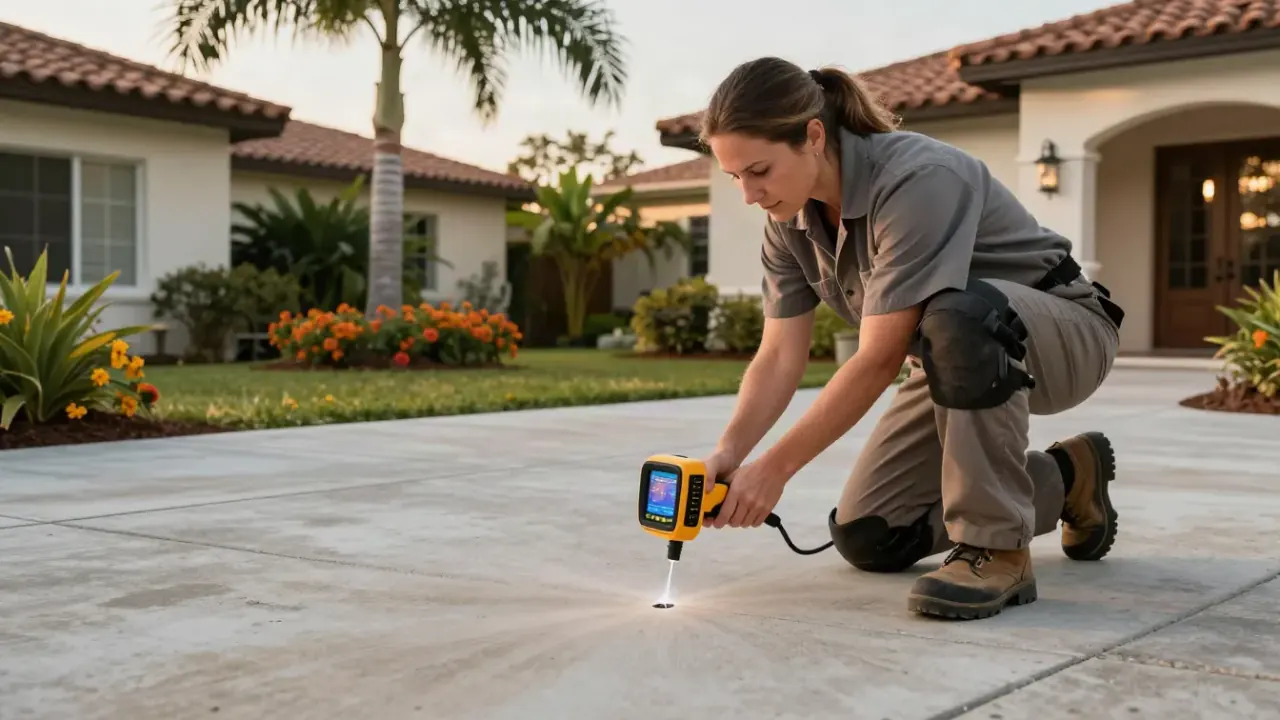
When soil is saturated or the line is deep, sound alone can mislead. We inject a safe tracer gas and sweep the ground. The detector confirms the exact escape point.
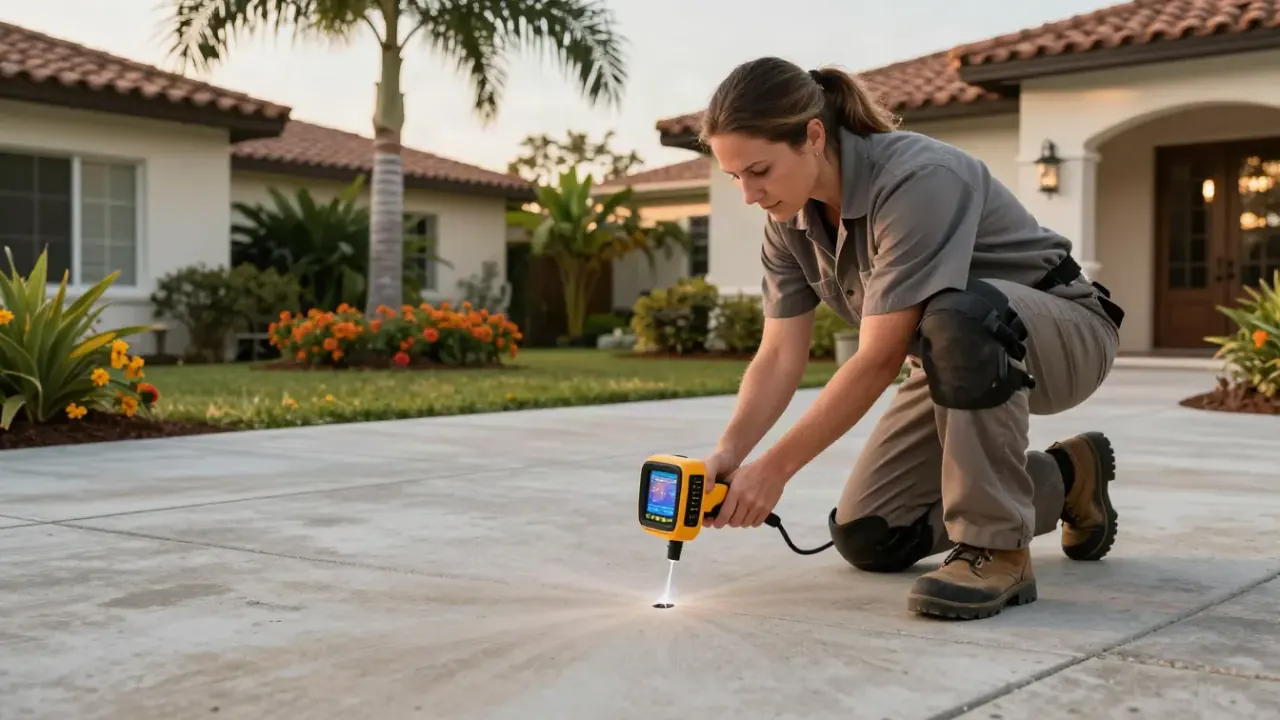
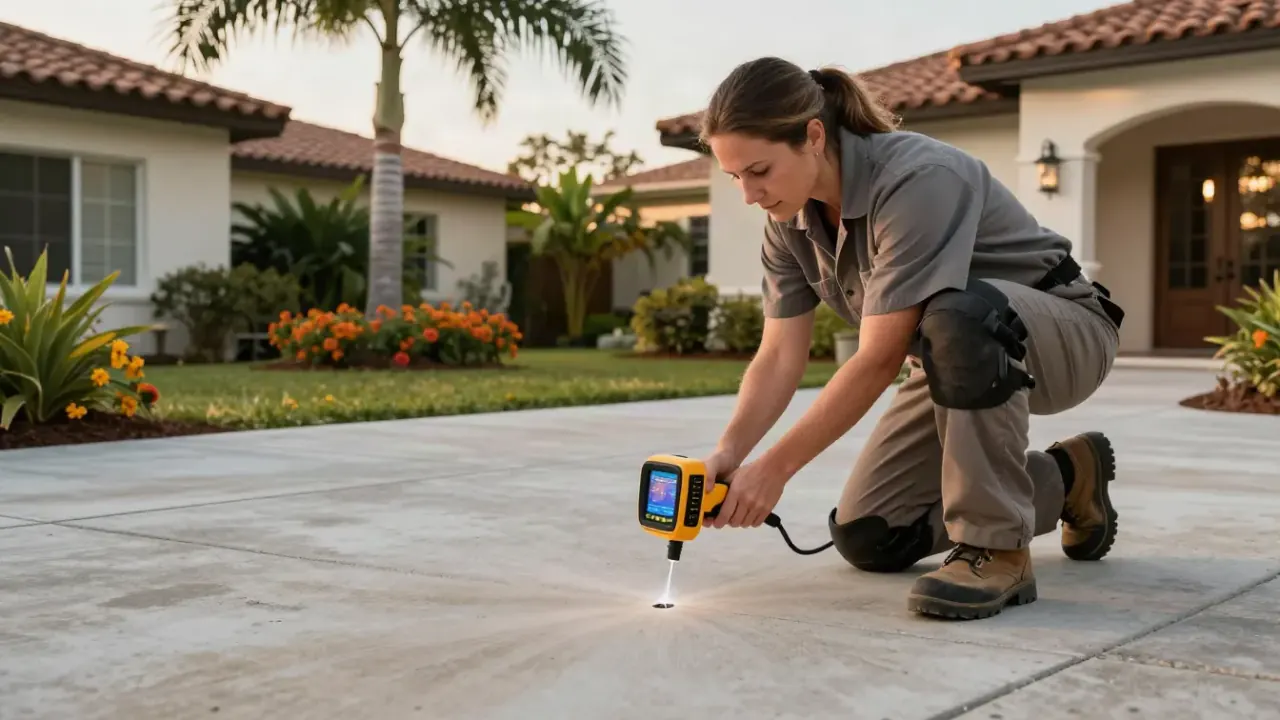
On lines running under a slab or a patio, we use thermal imaging to spot temperature differences caused by moving water. It narrows the search area before we use acoustic tools.
If a leak has washed soil into a drain or sewer lateral, we run a camera to check for blockage or root intrusion. It is a quick add-on to any leak tracing visit.
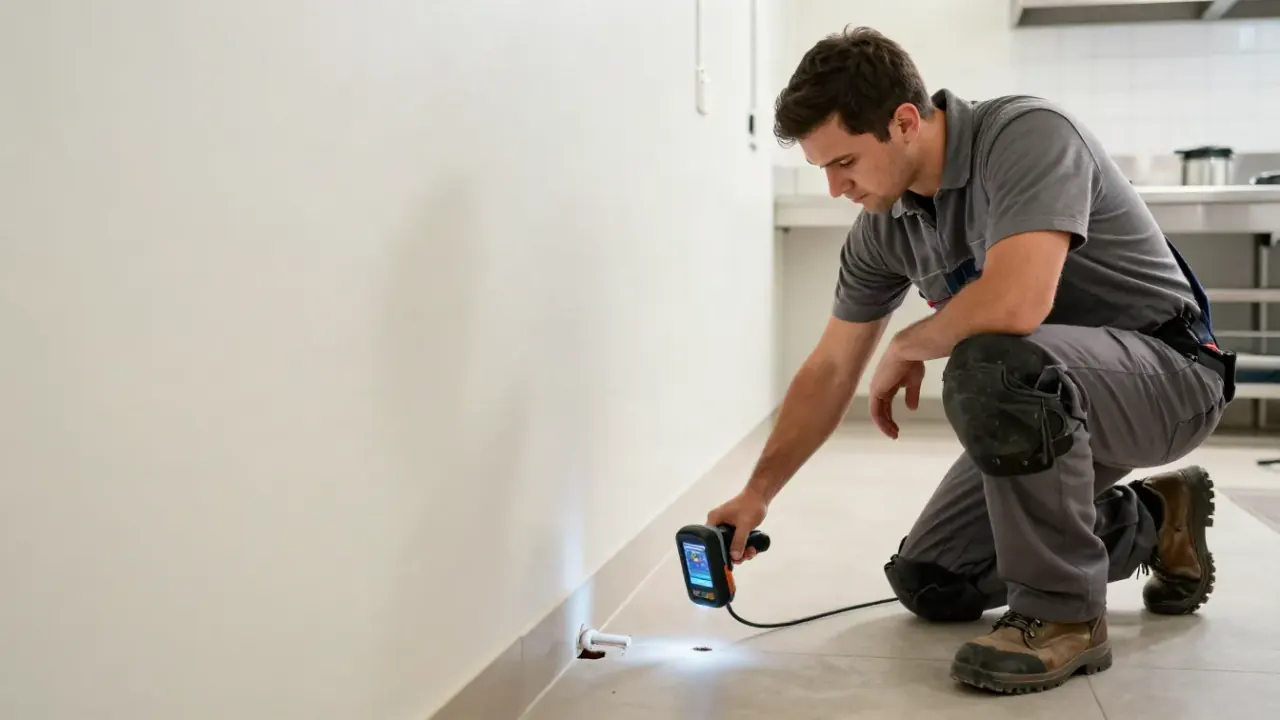
We use moisture meters to map the wet area around a suspected leak and to check interior walls for migration. It helps confirm the leak path before we dig.
Thermal views are illustrative, generated from the photographs.
These let us map the lateral runs without digging. We know where the pipe goes, which means we dig in the right spot the first time.
We cap and pressurize each zone to its normal operating range, usually 40-60 PSI. A gauge drop confirms the leak and tells us how fast the line is losing water.
We run each zone manually and watch the pressure gauge. A zone that will not hold static pressure is the suspect. We record the flow loss and the pipe material. This method narrows a whole system down to one line in under 20 minutes.
We walk the suspect line in 2-foot passes with an acoustic listening device. The loudest point is the leak. On windy days we use a ground microphone to filter traffic noise. This method finds most shallow PVC pipe leaks on the first pass.
We inject a safe tracer gas into the isolated zone and sweep with a Sewerin detector. The gas escapes at the break and gives us a precise hit. We use this method on deep lines, saturated soil, and lines running under concrete.
We use a FLIR camera to scan the ground or slab for temperature anomalies caused by moving water. It is not a stand-alone method, but it narrows the search area fast. We follow it with acoustic or tracer gas confirmation.
You got a high water bill and the irrigation meter is spinning when the system is off.
We perform a water meter and high water bill investigation first to confirm the loss is on the irrigation side. Then we isolate each zone and pressure-test it. The leaking zone gets traced with acoustic listening devices and tracer gas.
Outcome: You get a marked leak location and a repair quote. Most customers see the bill return to normal the next cycle.
A zone will not hold pressure and the grass there is turning brown.
We cap the zone, pressurize it to 40-60 PSI, and watch the gauge. A confirmed drop means a line leak. We sweep the lateral with an ultrasonic leak detector and mark the loudest point.
Outcome: The break is found within 12 inches, and the repair is usually a short section of PVC pipe or a pipe repair clamp.
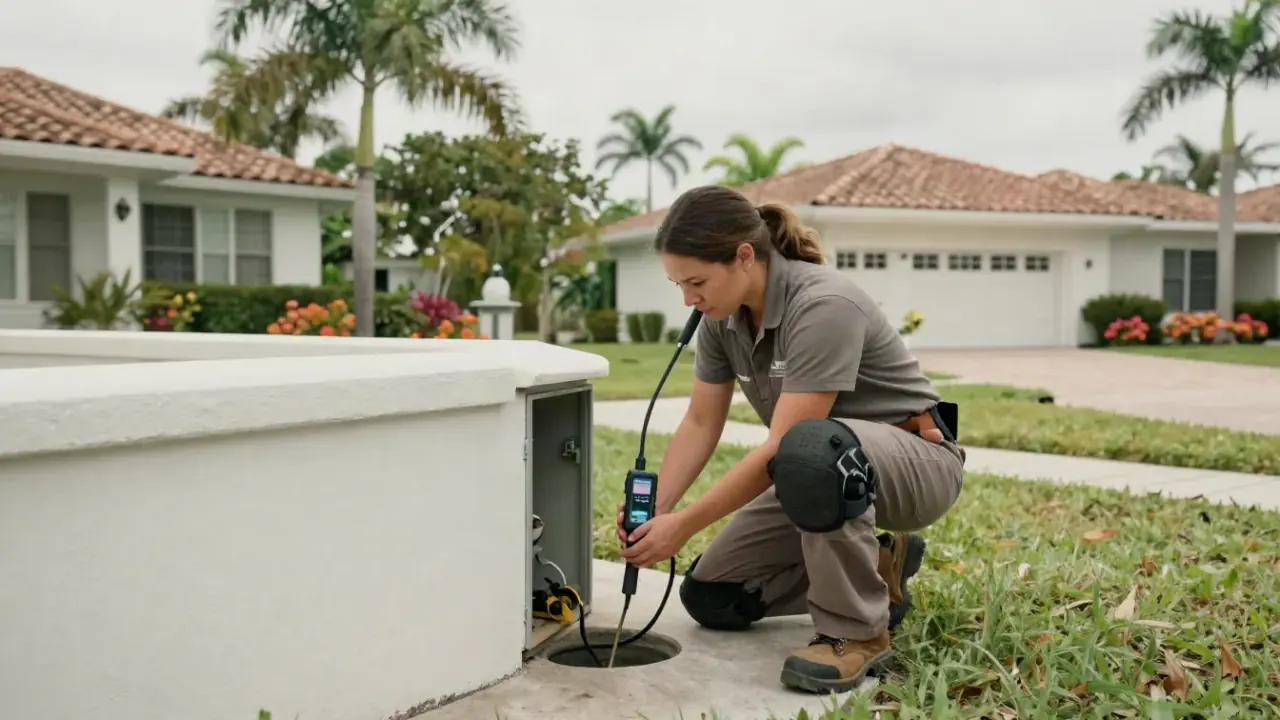
You see a soggy patch near a valve box after the system runs.
We open the valve box and check for a leaking manifold or solenoid. If the water is coming from underground, we trace the lateral with tracer gas. Saturated soil makes acoustic listening unreliable, so the gas confirms the spot.
Outcome: The exact break is marked, and we quote the repair before digging. No guesswork and no trench across the yard.
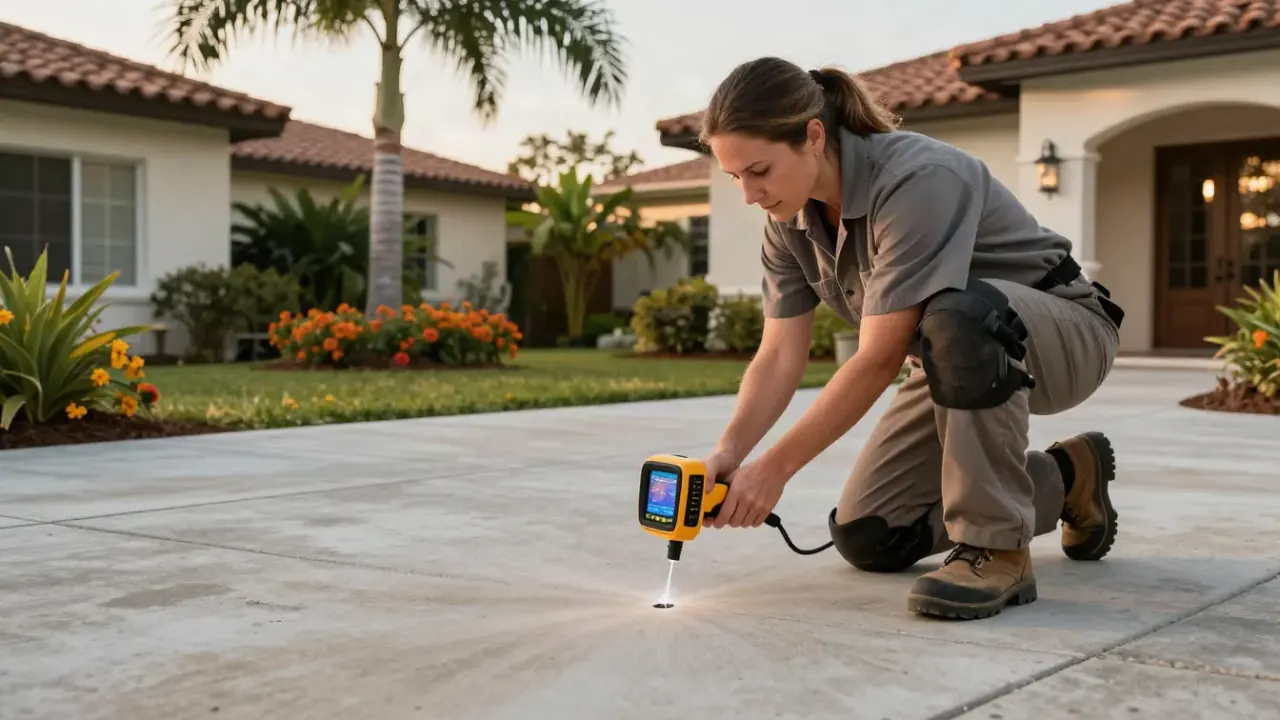
You are an HOA manager with multiple zones losing water across a common area.
We trace each suspect zone and document every leak with photos and a zone map. We use electromagnetic pipe locators to map the lateral runs so future repairs are faster. The report goes to your board or your landscape contractor.
Outcome: You get a prioritized repair list with locations. The board can budget the work instead of approving a full system replacement.
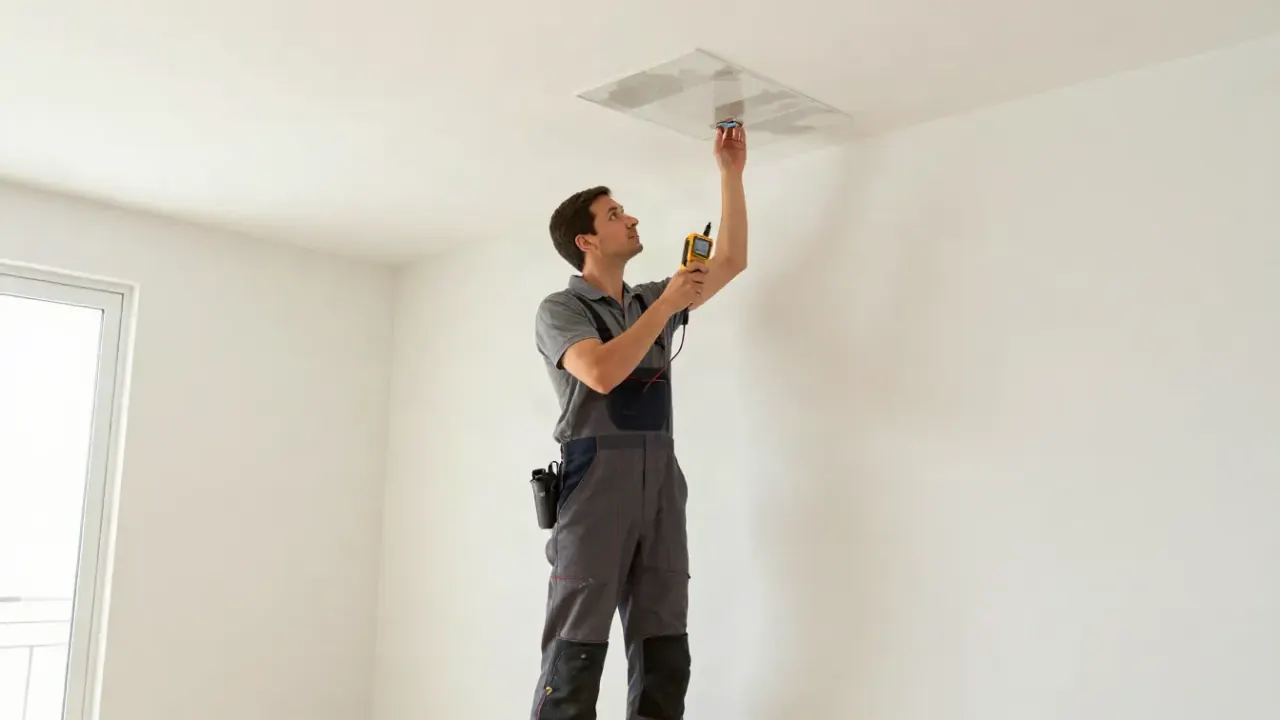
An equestrian property has a flooded paddock and the irrigation pump runs constantly.
We shut down the zones one at a time to isolate the loss. The leaking zone is traced with acoustic equipment and tracer gas. We mark the break and check the pump pressure to make sure the repair will hold.
Outcome: The paddock drains, the pump stops cycling, and the horses are back on dry ground. Most repairs are completed in one visit.
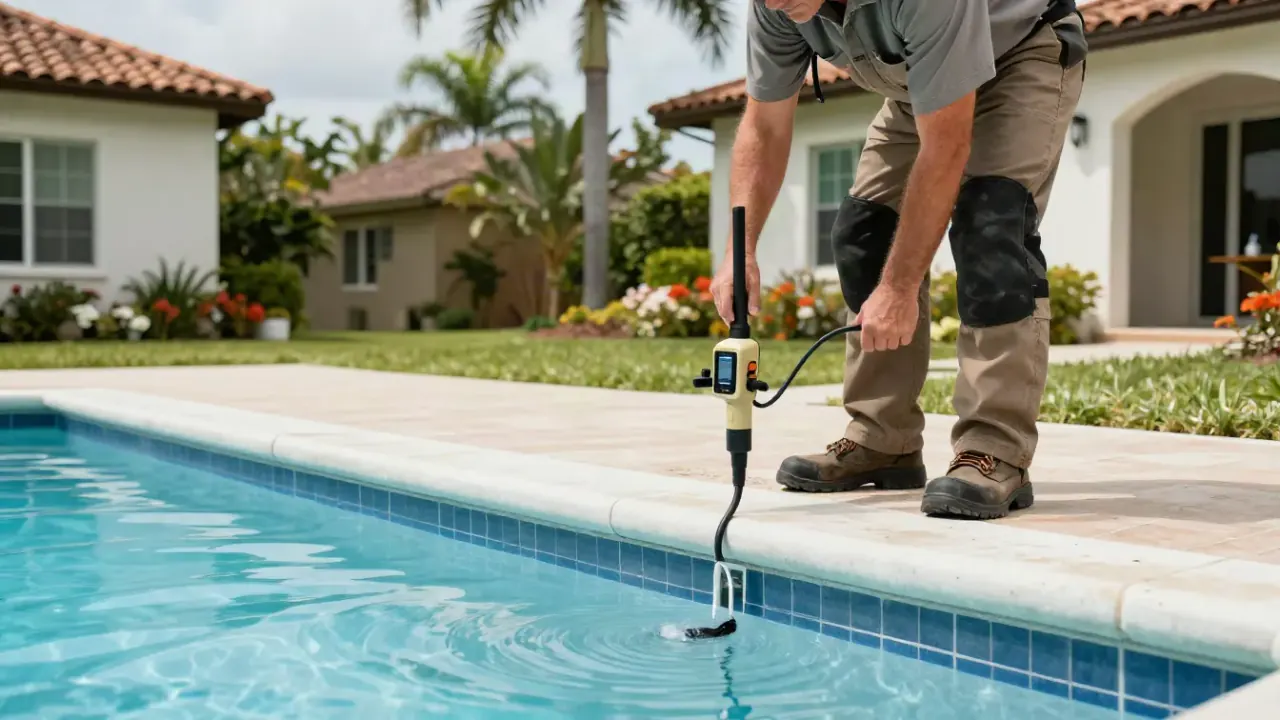
Wellington sits on sandy soil that shifts after heavy summer rain, and that movement cracks PVC pipe at the fittings. Most of our irrigation leak calls come in from June through September, when systems run daily and the water table is high. We also see a second wave in January and February, when snowbirds return and turn on systems that sat idle for months.
A pinhole leak in copper pipe or a split in PEX tubing can waste 200 gallons a day before a zone runs dry. We trace lines in Olympia, Binks Forest, and Saddle Trail Park, where mature landscaping means roots have had years to press against laterals. If you need affordable sprinkler leak detection Wellington FL, we keep the trace tight so the repair stays small.
We follow Florida plumbing code on every repair and check the backflow preventer on systems tied to potable water.
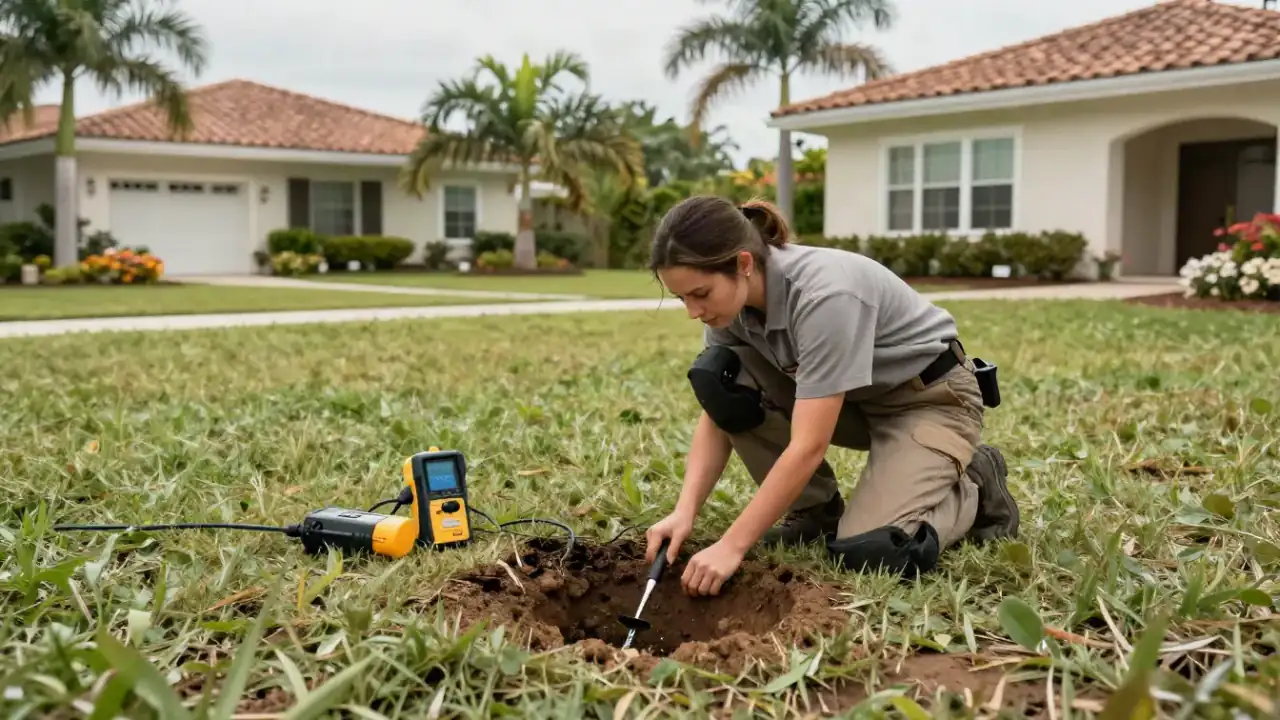
Before: A homeowner in Olympia had one zone that would not hold pressure. Two other companies wanted to replace 60 feet of lateral.
After: We traced the zone with acoustic listening devices and found a cracked PVC fitting under 4 inches of sod. The zone held 55 PSI on the post-repair test, and the bill dropped back to normal.
We set the controller to run that zone in the early morning and recommended a pressure check each spring. Checking the regulator once a year prevents the same crack from reopening.
Before: An equestrian property had standing water in a paddock and the irrigation pump was cycling every few minutes. The soil was saturated, so acoustic listening gave a broad area but no precise point.
After: We injected tracer gas and swept the lateral. The detector hit a split in a PVC pipe at a T-fitting. We marked it, repaired it the same day, and re-pressurized the zone. The paddock drained within 24 hours and the pump stopped cycling.
We mapped the lateral runs with an electromagnetic pipe locator and gave the manager a zone map. Future repairs now start with a known location instead of a search.
Before: The irrigation meter was spinning with the system off. They suspected a slab leak and were ready to call a different trade.
After: We ran a water meter and high water bill investigation and confirmed the loss was on the irrigation side. A pressure test showed zone 4 losing 8 PSI per minute. We traced it with an ultrasonic leak detector and found a pinhole leak in a copper pipe at a valve connection.
We repaired the connection and checked the backflow preventer. We recommended a quarterly visual check of the valve boxes, since a slow drip there is the most common source of hidden irrigation loss.
Most irrigation leaks show up as one of these five symptoms. If you recognize yours, the line is losing water and it will not fix itself. We trace it, mark it, and give you a repair plan.
A marked leak location means a smaller repair and a lower water bill.
A single broken sprinkler head can waste 50 gallons a day. A cracked lateral line can waste 300. We find the break with acoustic listening devices and pressure testing equipment, so you stop paying for water that never reaches your grass. Most Wellington customers see their bill drop back to normal within one billing cycle.
Digging up a whole zone to find one leak destroys sod, root systems, and irrigation wiring. We pinpoint the leak within a 12-inch radius using electromagnetic pipe locators and tracer gas leak detectors. That means one small dig, not a trench across your yard. Your St. Augustine grass and your neighbor's fence line stay intact.
A slow leak under a driveway or sidewalk can undermine the slab. We use thermal imaging cameras and moisture meters to catch subsurface water before it turns into a sinkhole or a cracked patio. We flag the risk on the spot.
You do not need a sales pitch. You need to know where the leak is and what it takes to fix it. We mark the line, photograph the reading, and explain the repair in plain language. If you want affordable sprinkler leak detection Wellington FL, this is the visit that gives you a real number and a real location.
What a written scope covers and what shapes it. Prices are set by the business after the first look.
Included
Depends on
Clear records you can keep and share.
Image of the marked leak location
Which zone failed and why
Price before any digging starts
Lateral runs marked for future reference
Most sprinkler leaks are either a fitting failure or a pipe failure, and each traces differently.
The break is at a joint, valve, or T-connection.
The break is mid-run in the lateral itself.
The break is at the riser or the head body.
A list like this tells people straight away whether you cover their street. Not listed? Call and ask: it only takes a minute.
Based in Wellington and covering the places around it. Pick one for local details.
We isolate the zone, pressurize the line to 40-60 PSI, and listen for the leak with acoustic listening devices. If the sound is unclear, we inject tracer gas and sweep the ground with a detector. Most leaks are found within 12 inches. The whole process takes two to four hours, and we mark the spot before any digging starts.
The most common causes are a cracked PVC pipe at a fitting, a pinhole leak in copper pipe, or a root-damaged lateral. Wellington's sandy soil shifts after heavy rain, which stresses joints. A single broken head can waste 50 gallons a day. If your water bill jumped and a zone runs dry, you have a line leak that needs tracing.
If you hire us for the repair, we credit the tracing fee toward the fix. Commercial and equestrian properties are quoted by zone count. Call for a straight answer.
Yes. Once we pinpoint the break, most repairs use a pipe repair clamp, epoxy pipe sealant, or a short section of PEX tubing or PVC pipe. We only replace the damaged section, not the whole lateral.
Other services from the same team.
One visit tells you where the leak is and what it costs to fix. We credit the tracing fee toward the repair if you hire us. Call (561) 760-4218 and tell us which zone is losing pressure. Same-day visits are available across Palm Beach County.
Call us at (561) 760-4218 or email [email protected]. Most inspections are scheduled same-day or next-day. We serve Wellington and all of Palm Beach County.