Paddock Park sits in the 33414 ZIP on Wellington's west side, a pocket of equestrian properties and single-family homes where the plumbing was never built for the soil it sits on. Sandy ground moves with every wet season, and that movement is what cracks underground water service lines, irrigation mains and older copper runs.
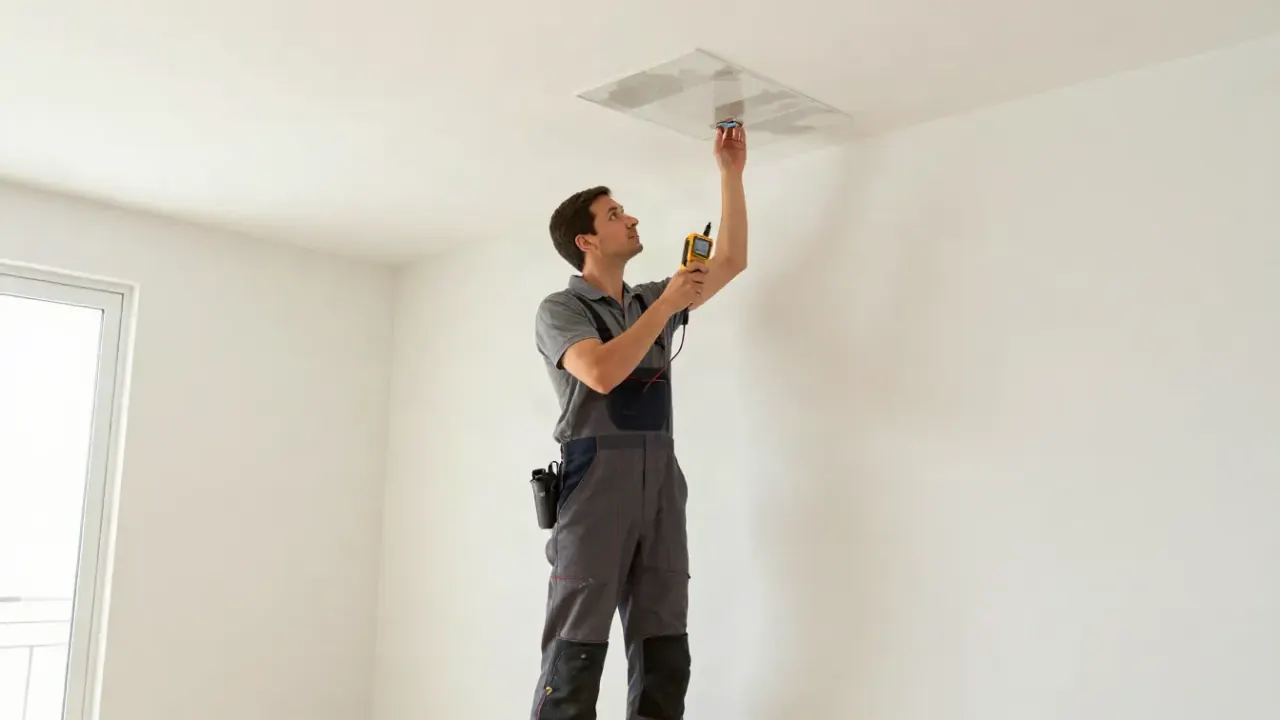
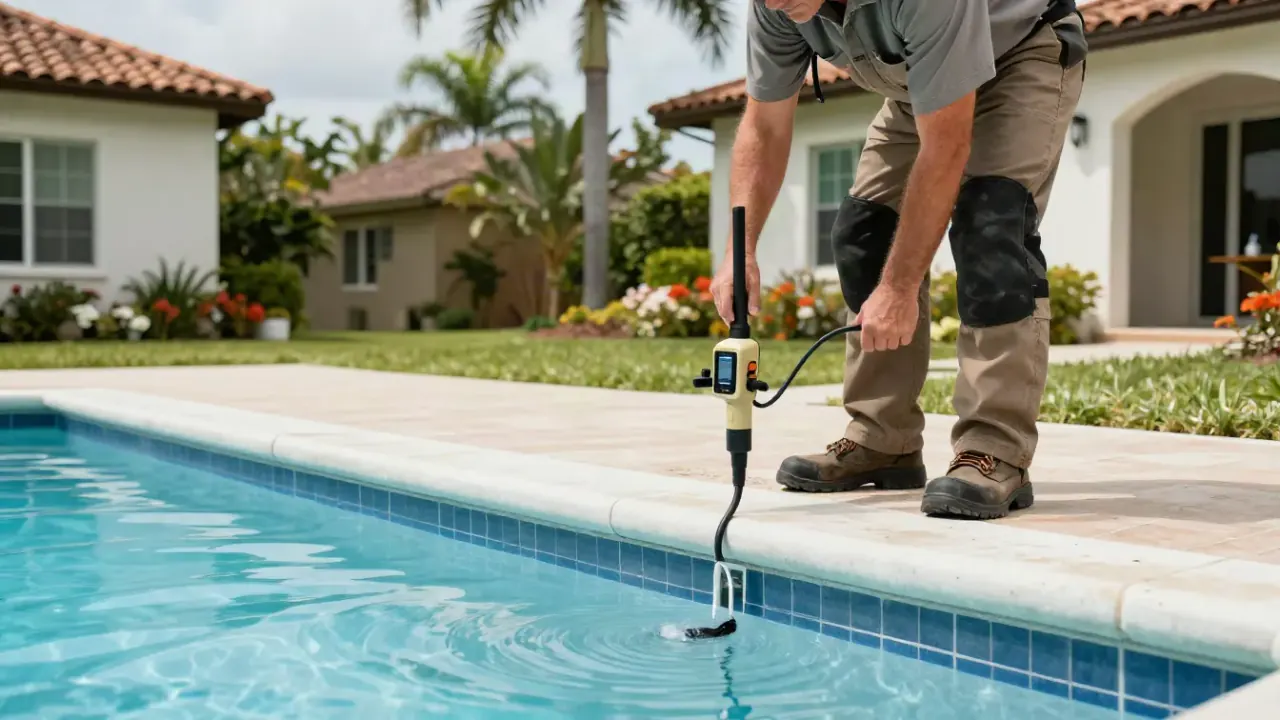
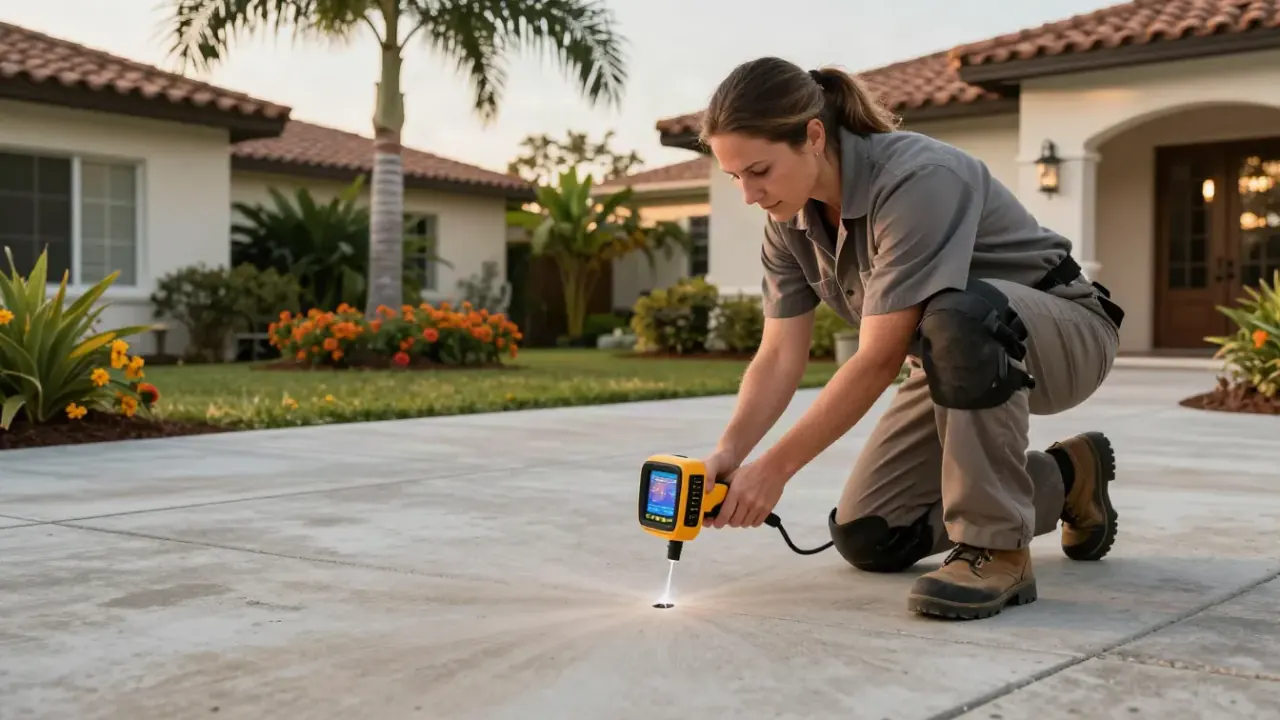
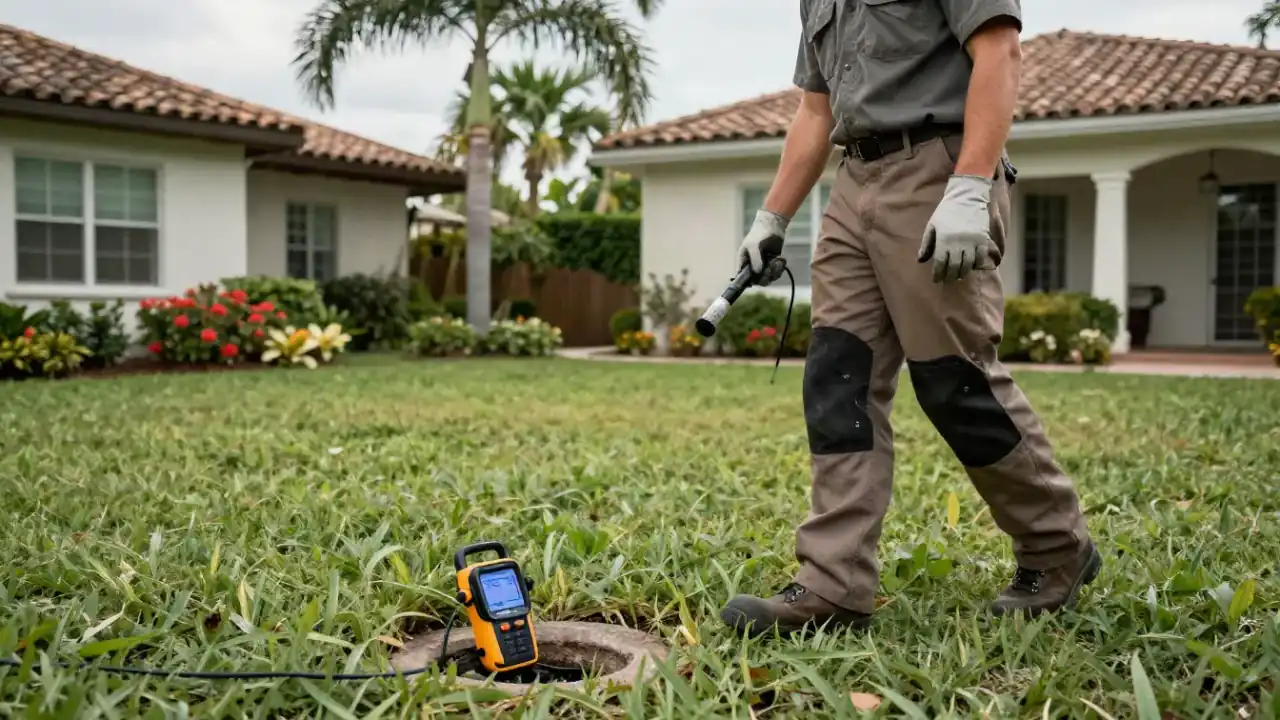
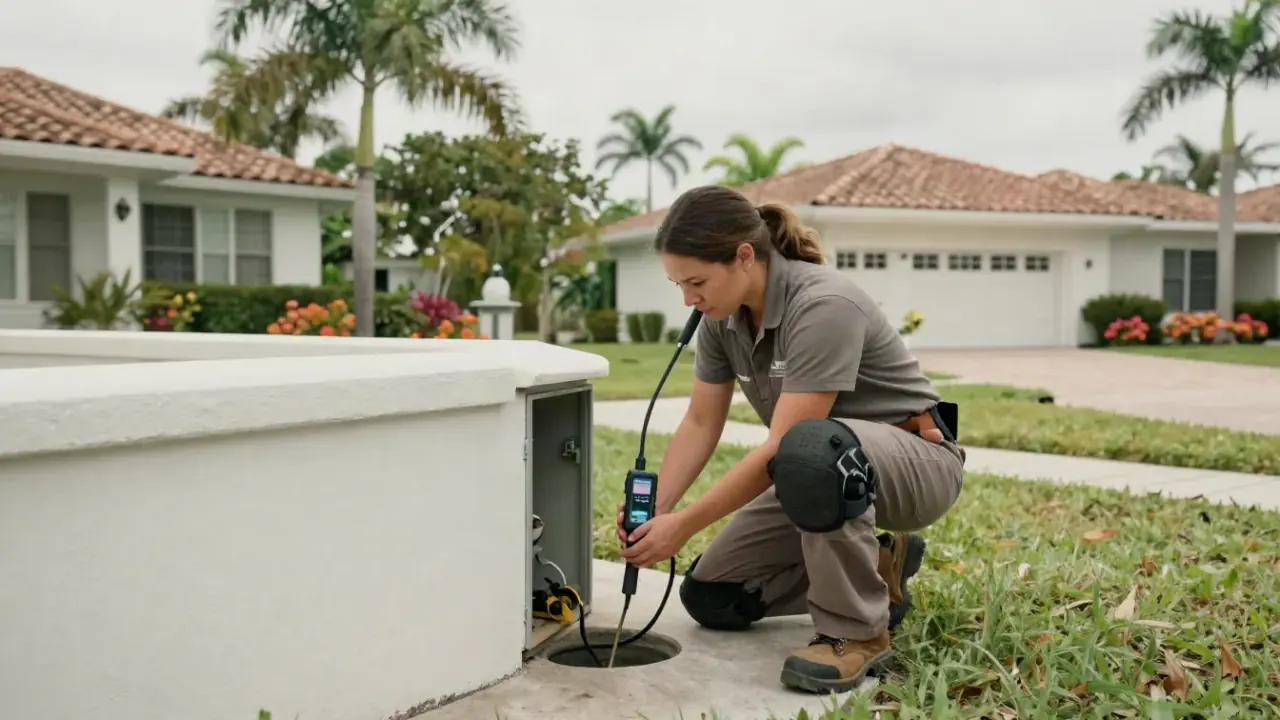
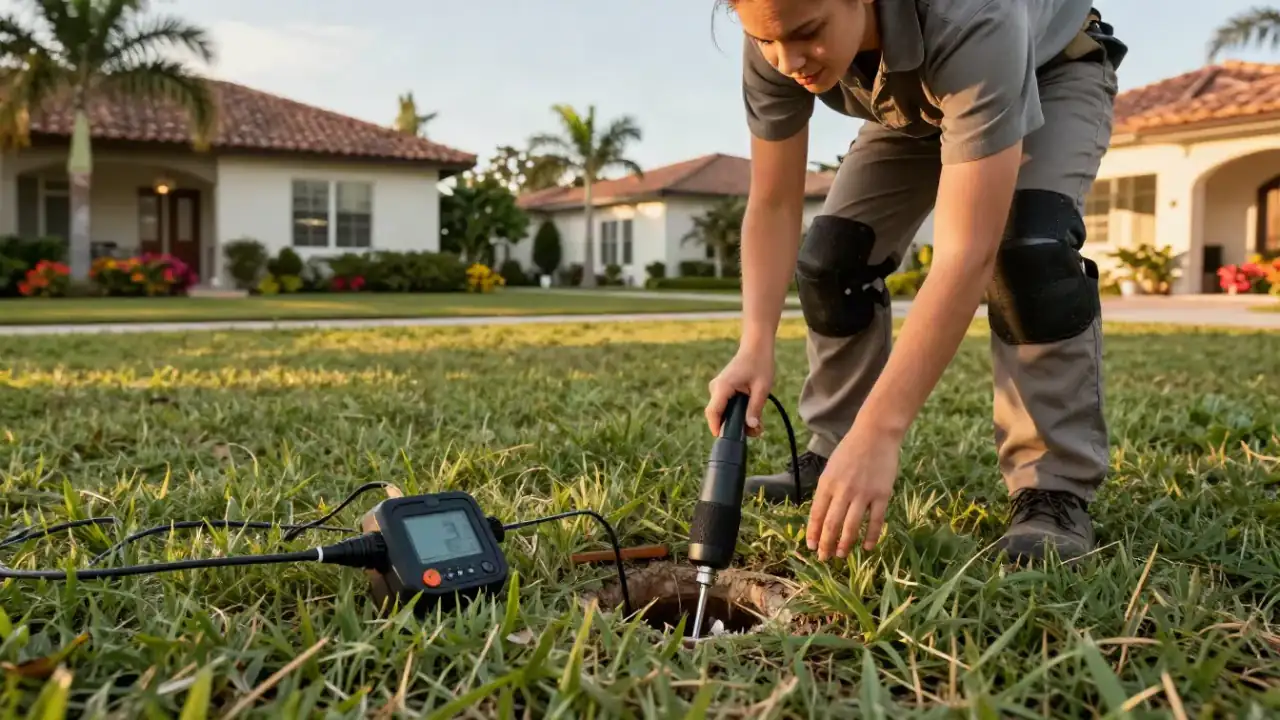
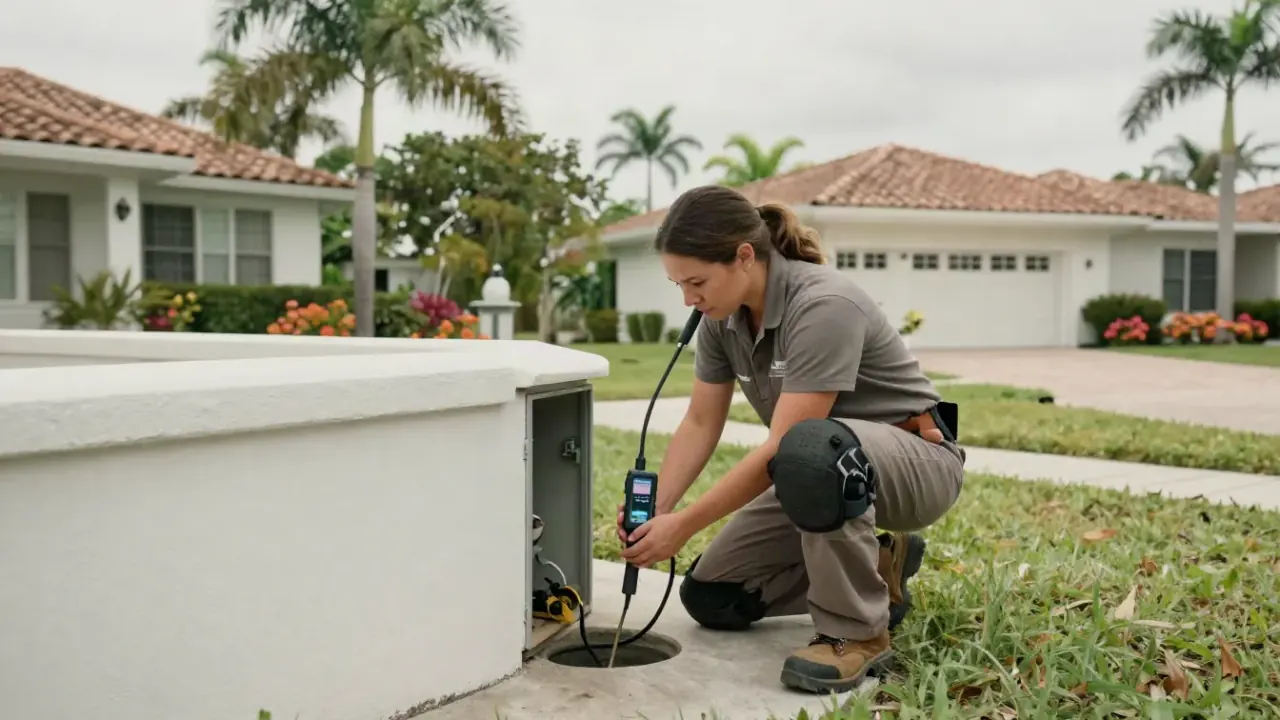
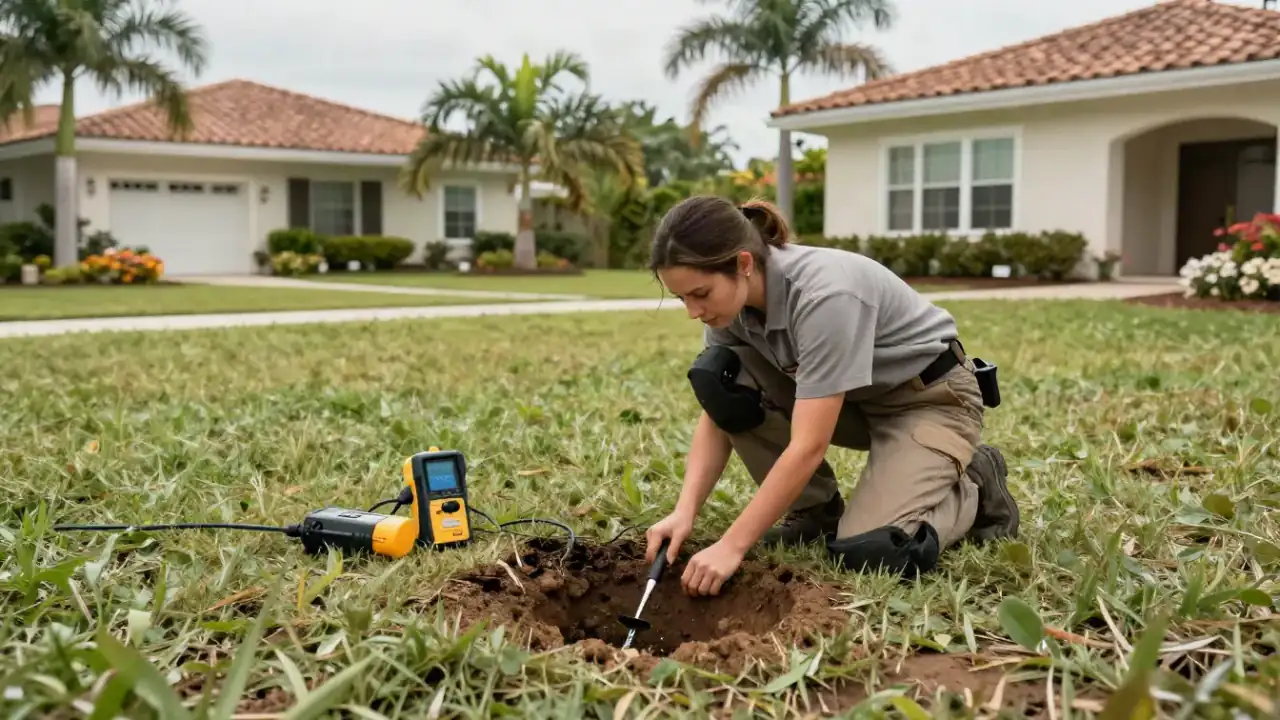
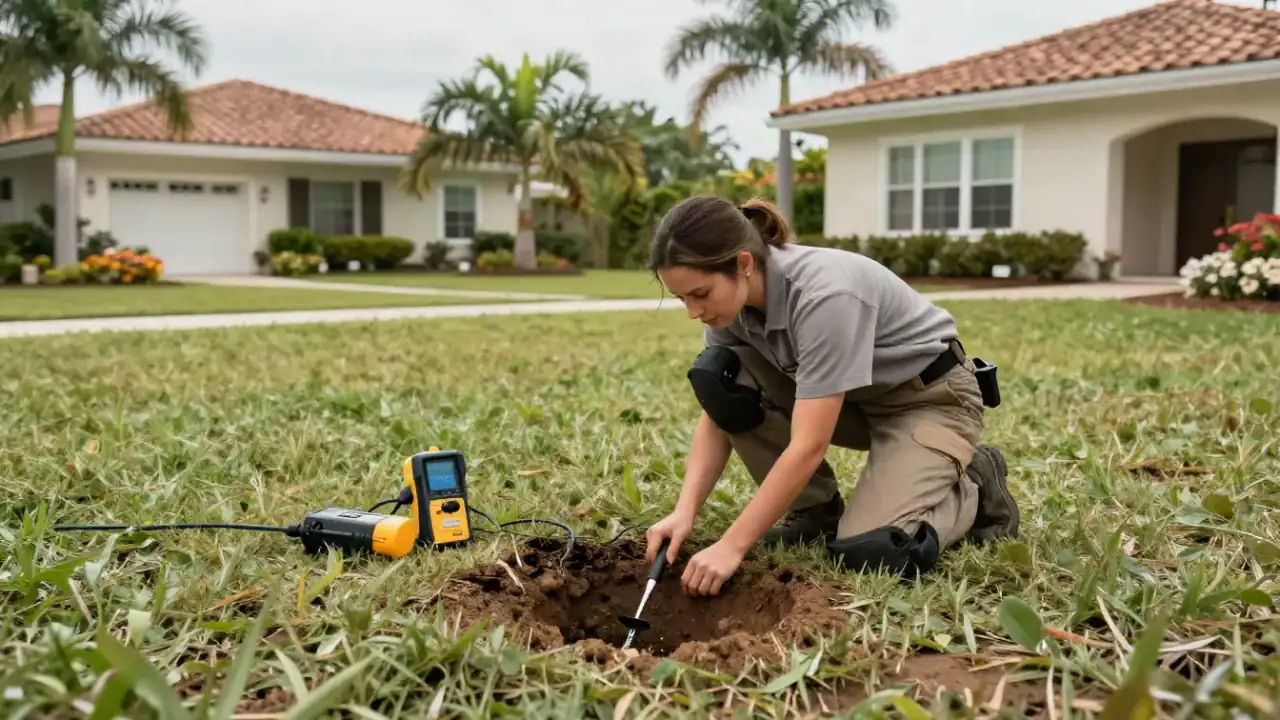
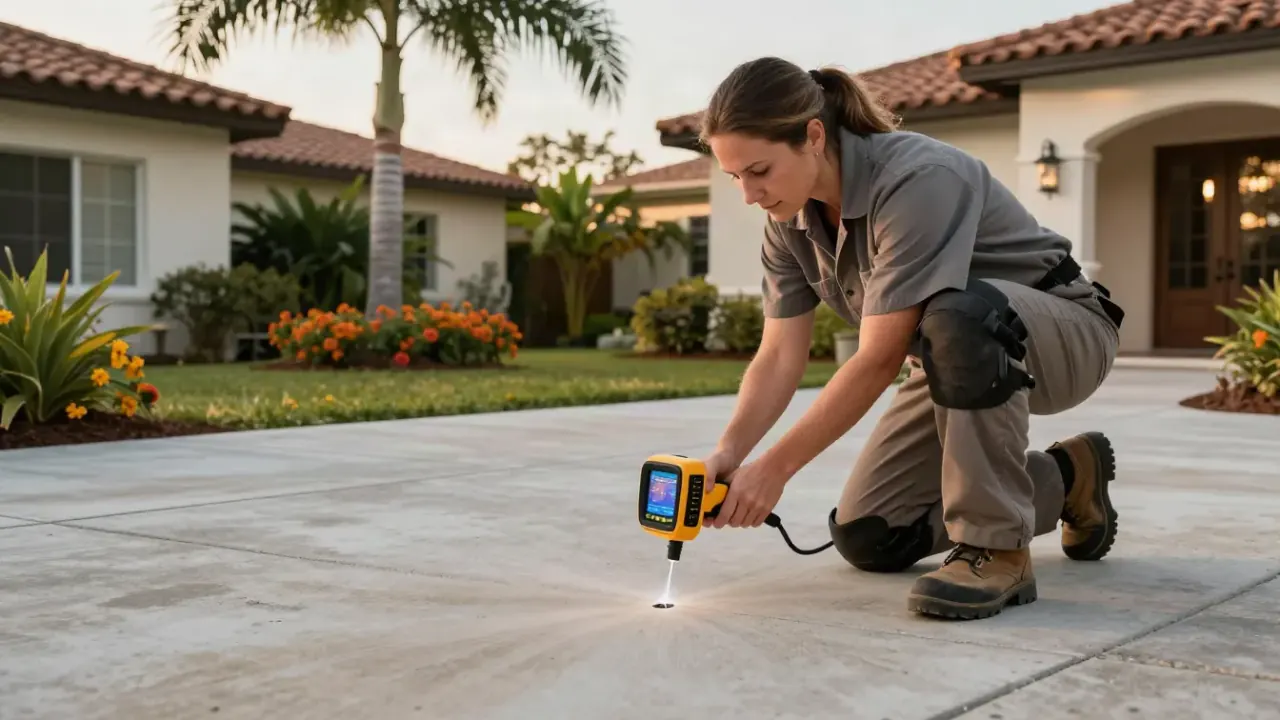
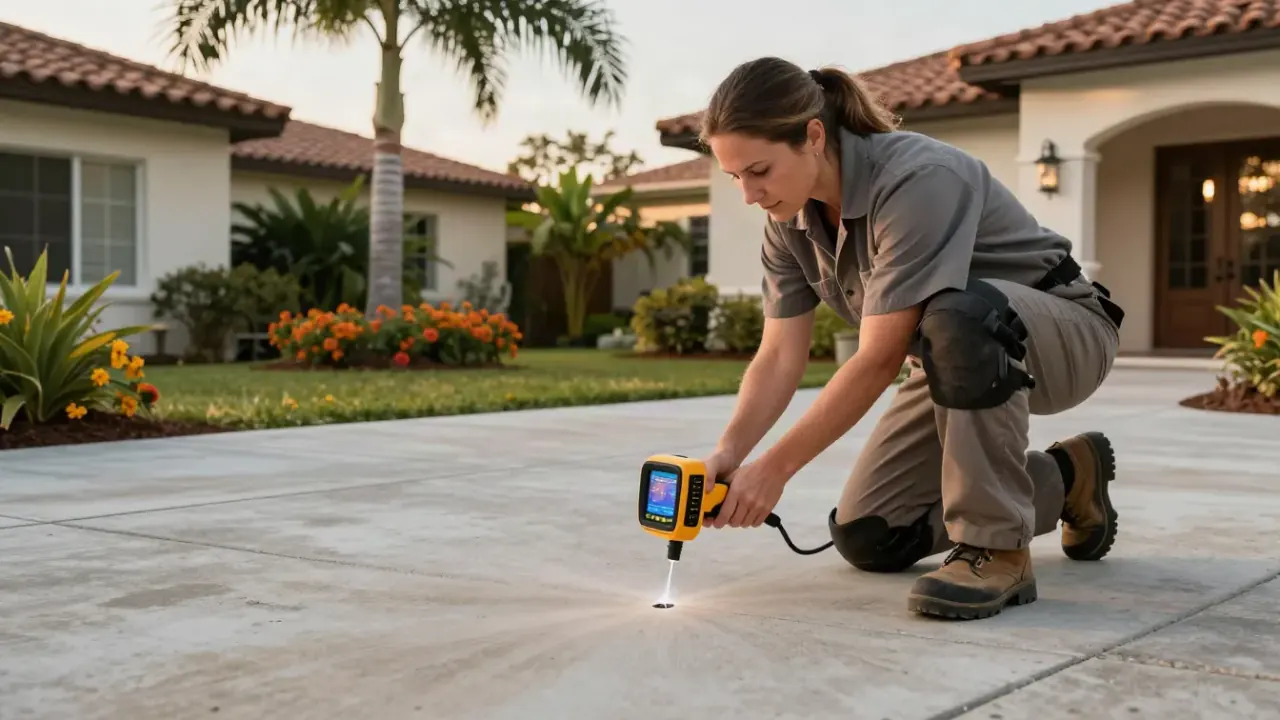
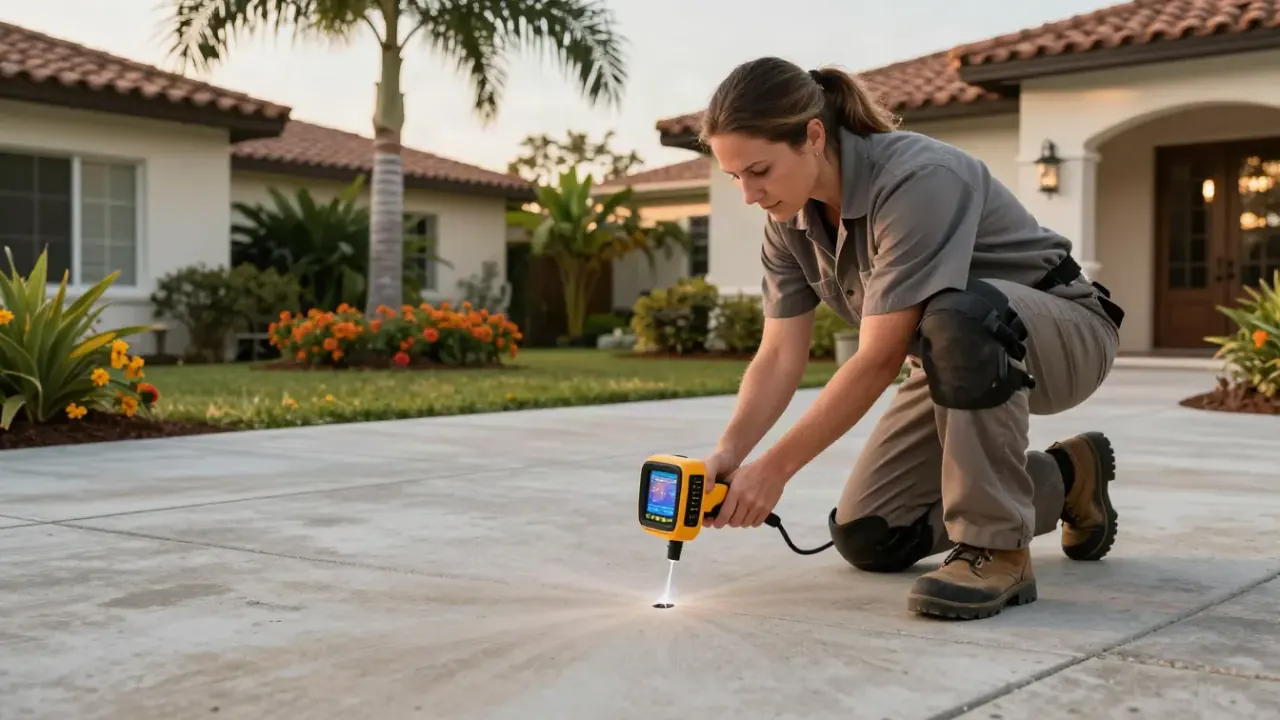
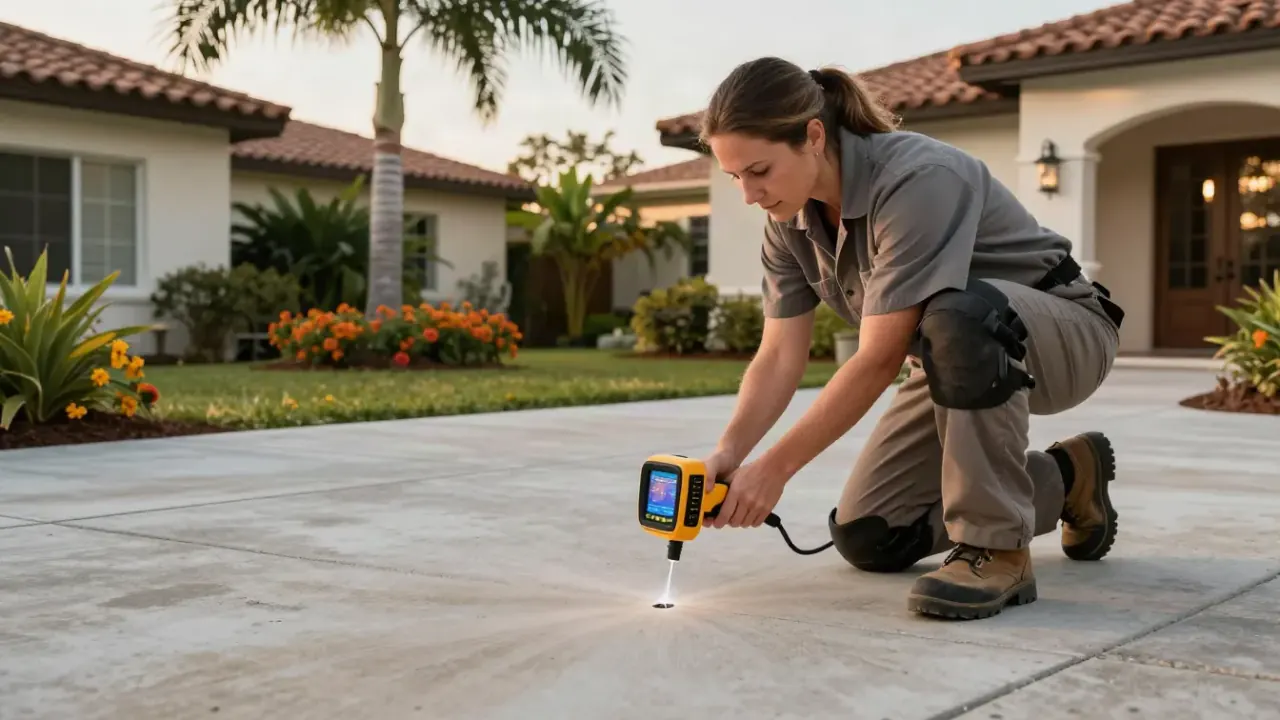
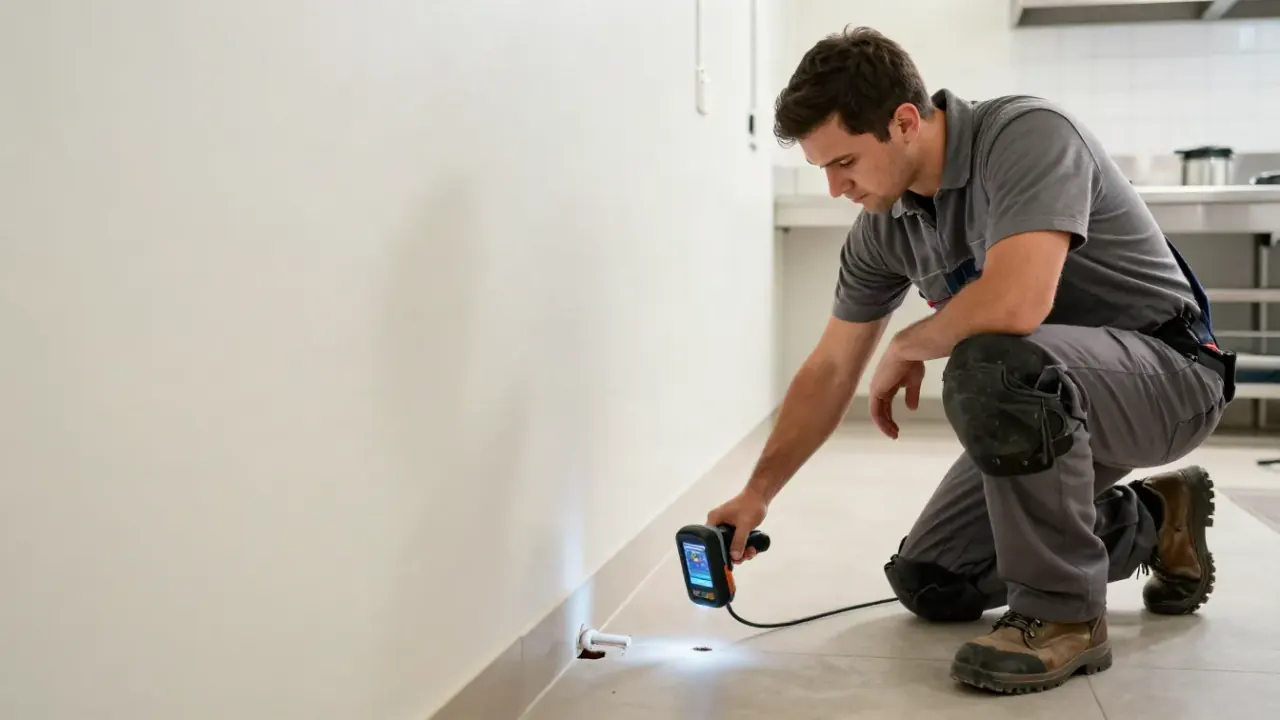
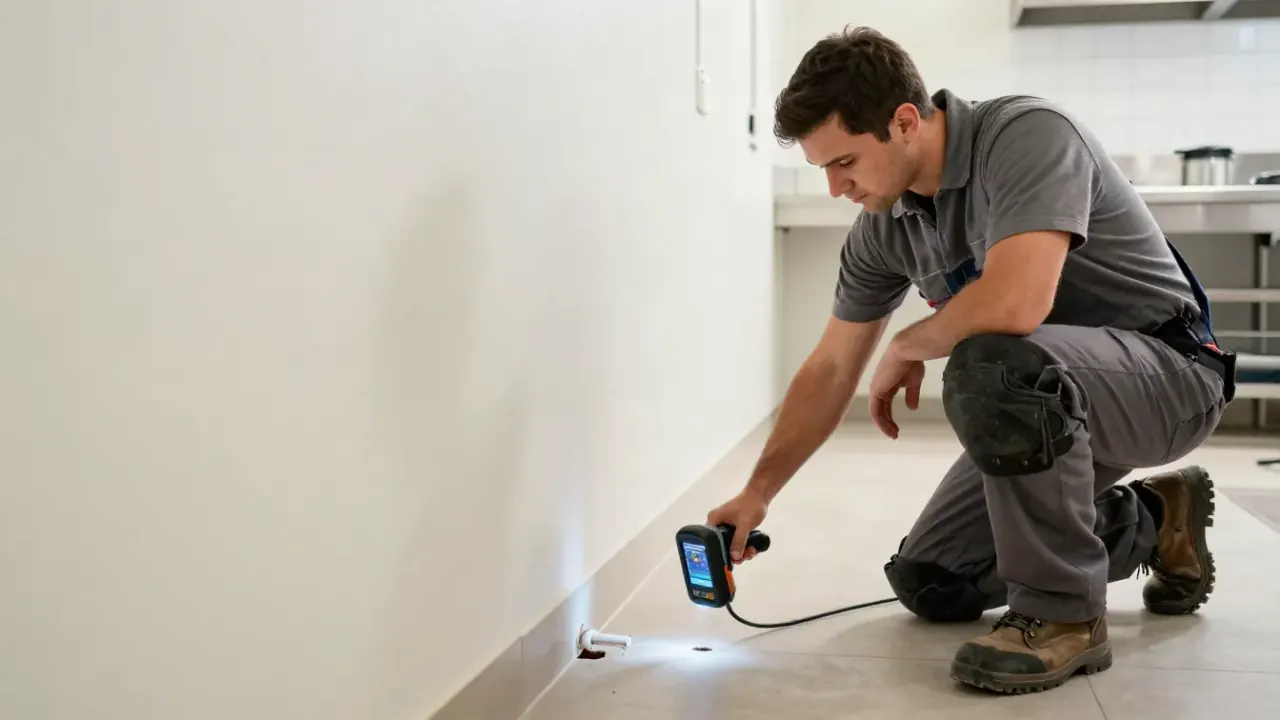
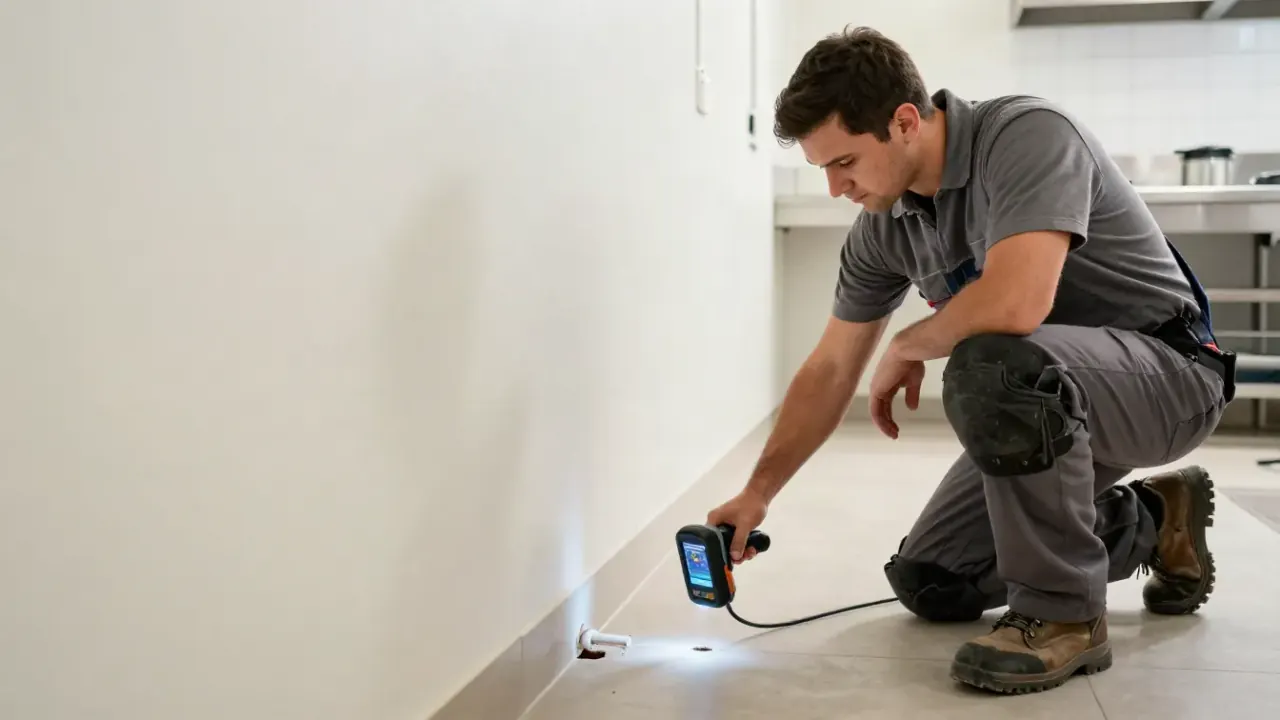
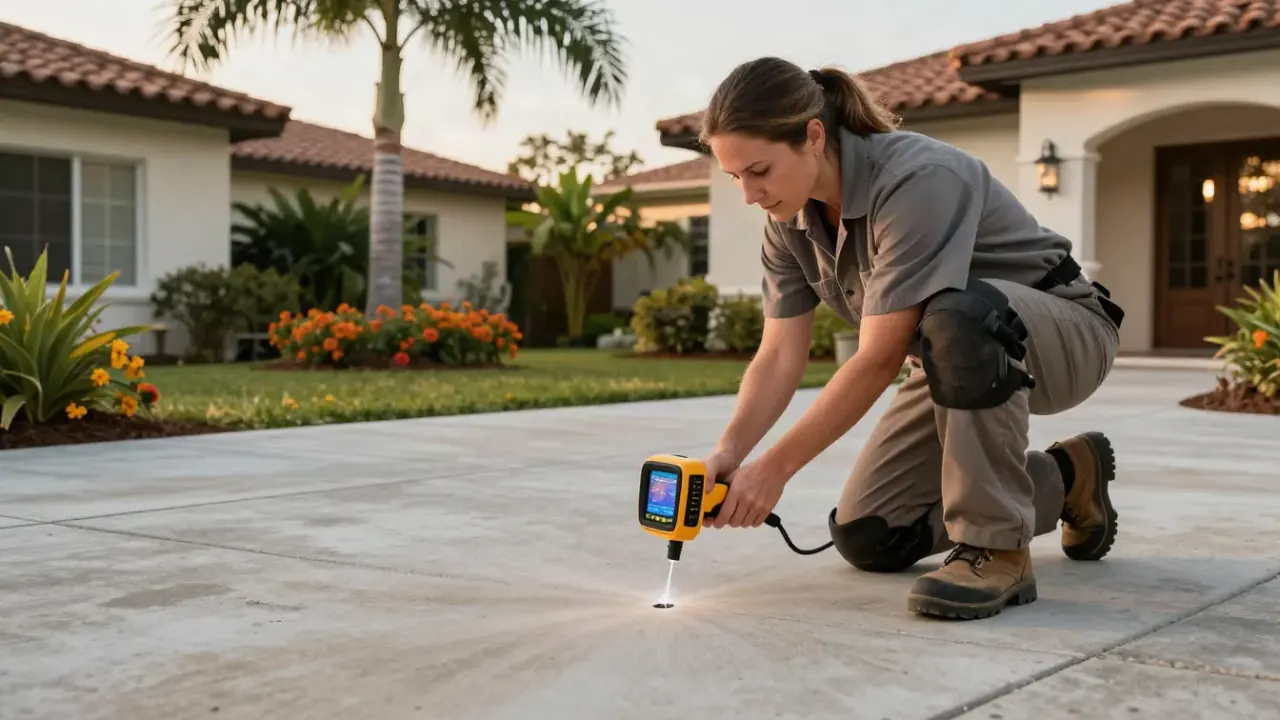
Wellington Leak Detection works this neighborhood weekly, so we know which streets have well water and irrigation systems tied into the same supply, and which blocks still carry aging plumbing from the 1980s and 1990s. Leak Detection in Paddock Park is not a generic call-out for us. We arrive with electromagnetic pipe locators to map the run, then confirm the break with acoustic and tracer gas methods before we quote a repair.
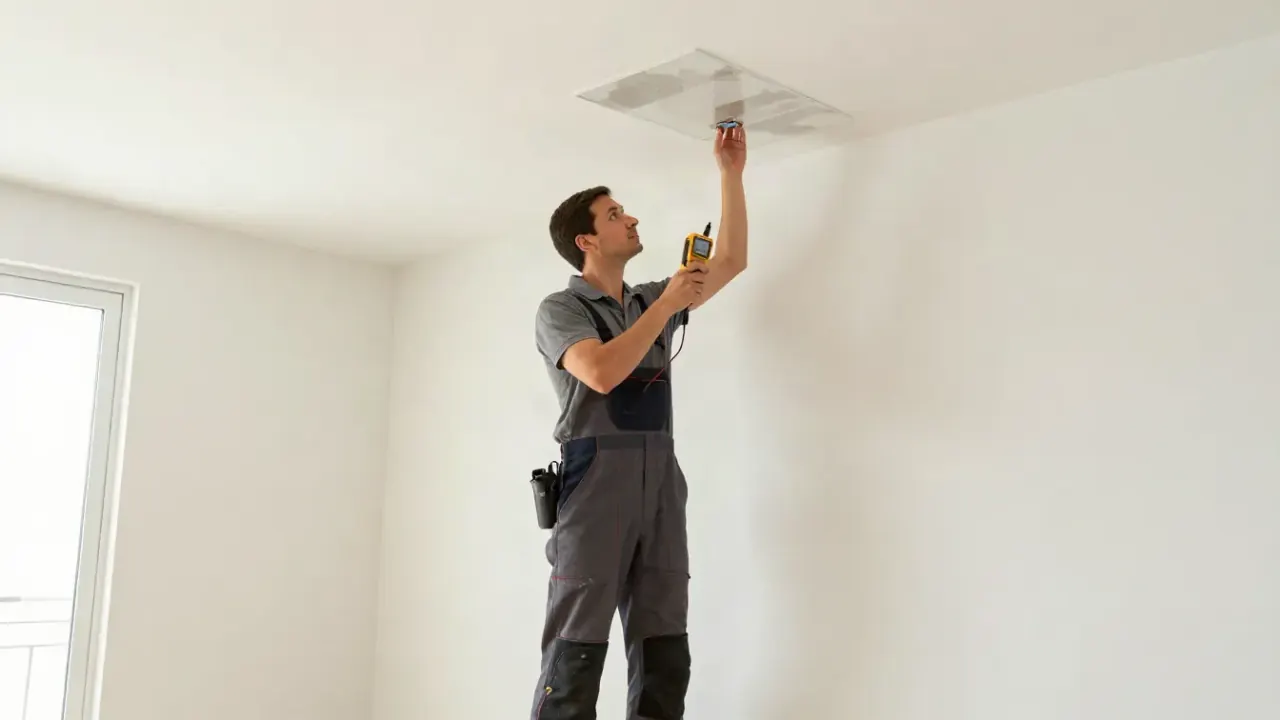
That order matters. It keeps us from trenching a lawn that did not need it and from opening a slab when the leak is actually under the driveway. If you have watched a water bill climb with no visible puddle, or you smell damp near a wall, we can usually tell you where the water is going the same day.
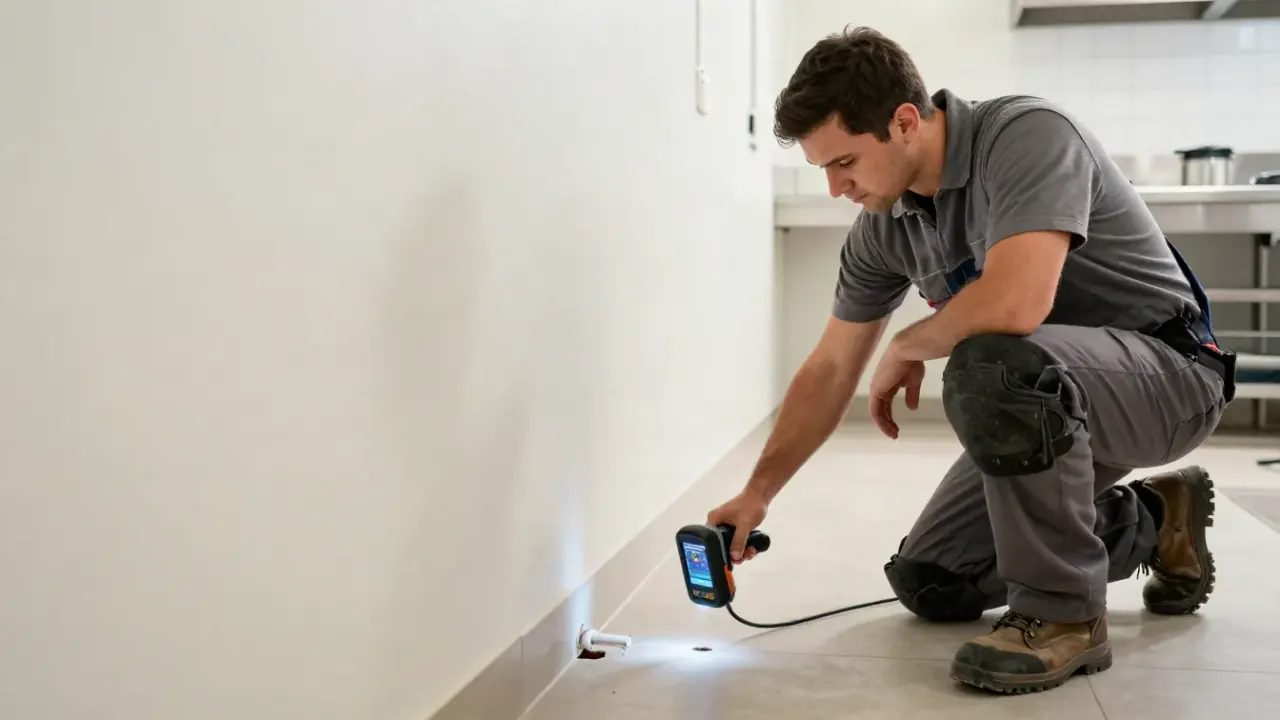
Paddock Park generates a specific kind of leak call. Half the properties here run irrigation off wells or shared supply lines, so a broken sprinkler main can look exactly like a slab leak on the meter. The other half are homes built decades ago with copper pipe that has started throwing pinhole leaks behind drywall.
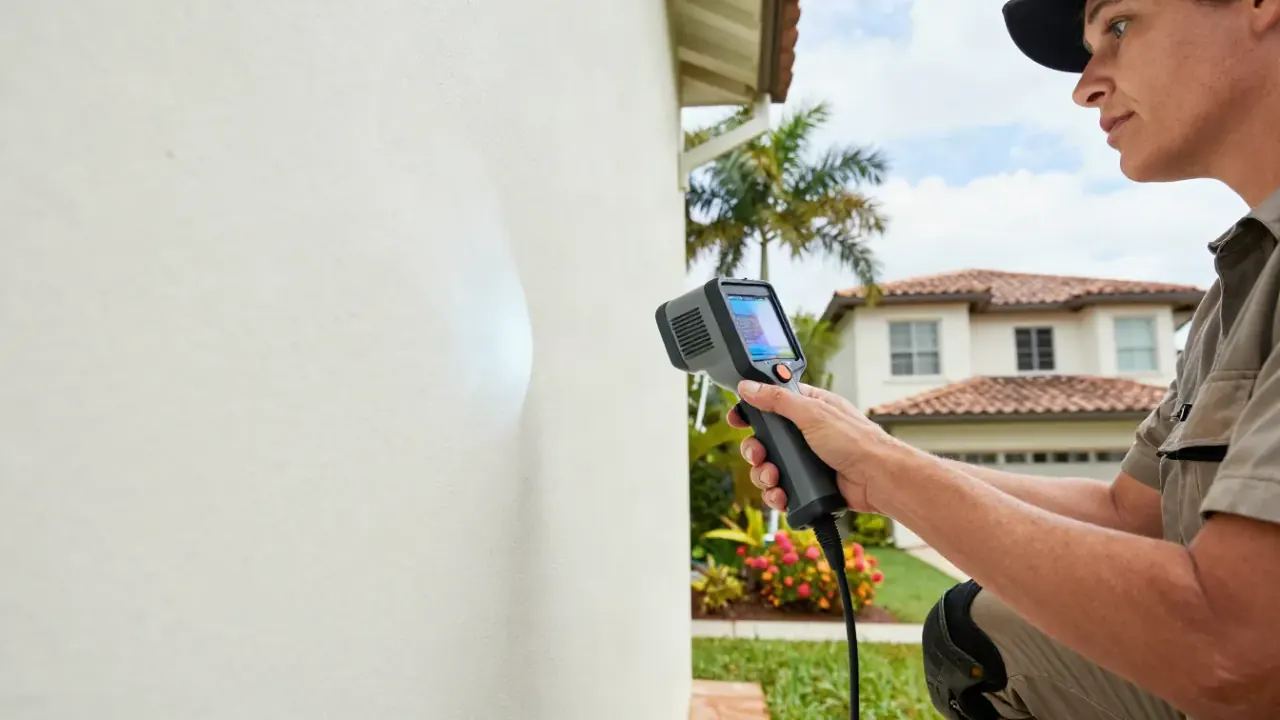
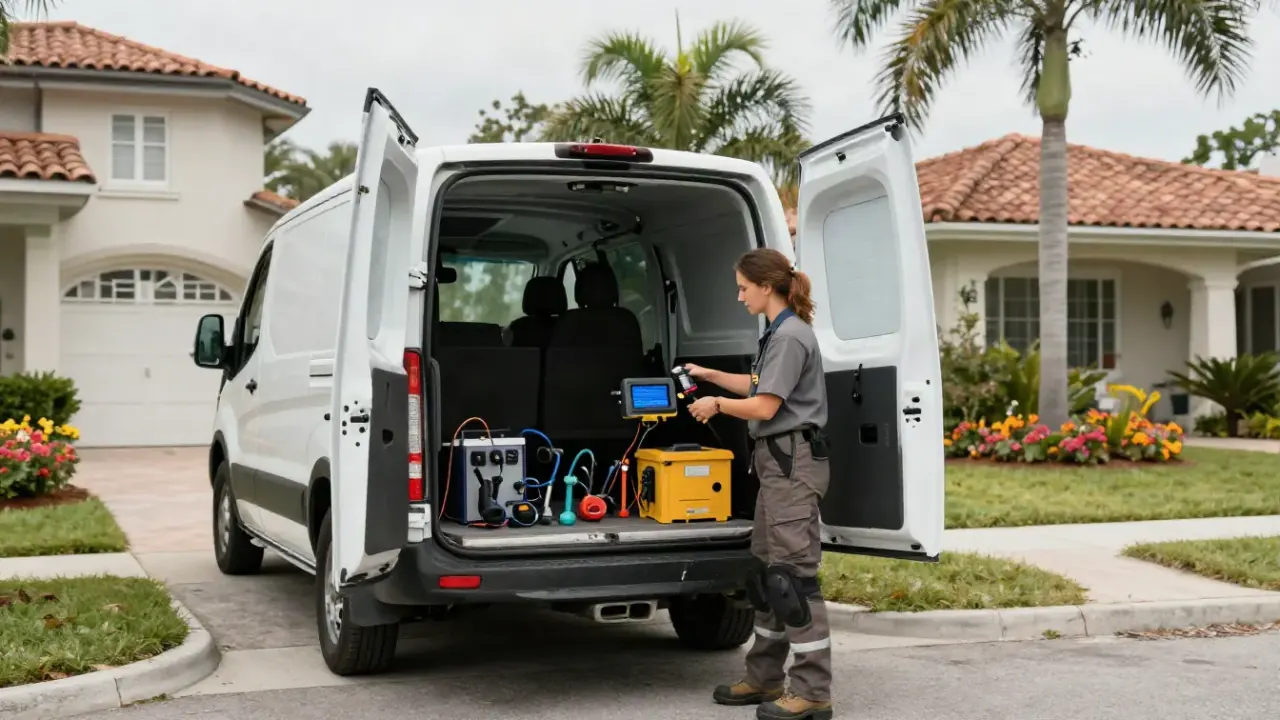
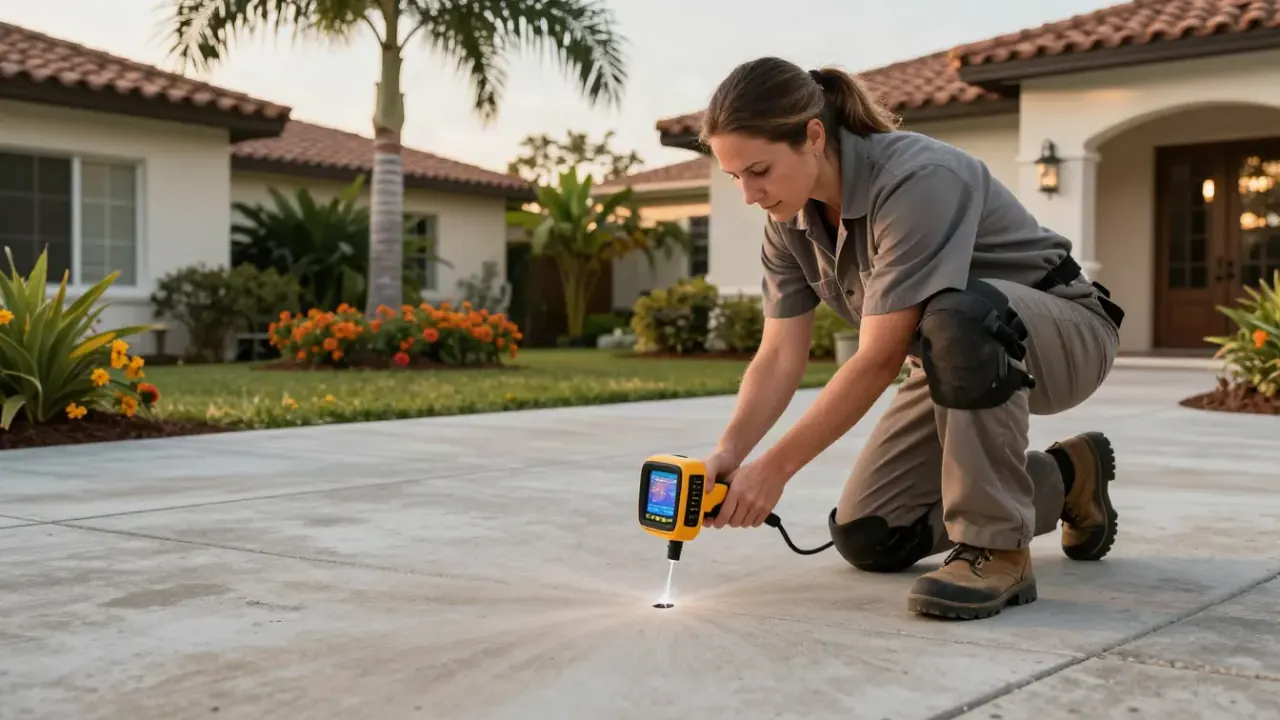
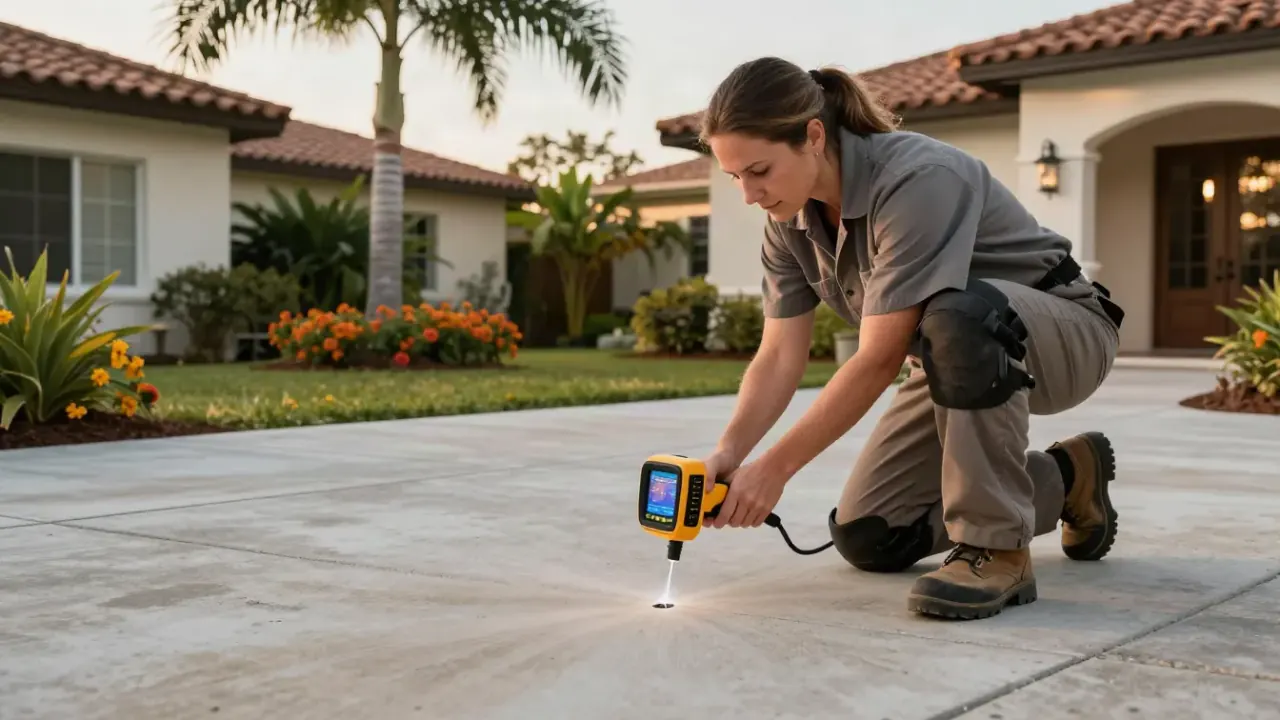
Add sandy soil that shifts after heavy summer rain, and you get underground service line failures that never surface until the ground caves or the bill doubles. We keep our trucks stocked for both: SeeSnake cameras, Sewerin tracer gas, Fluke thermal gear and a full set of pipe repair clamps and PEX fittings. When a Paddock Park customer calls, we are not driving across the county to guess. We already know the layout.